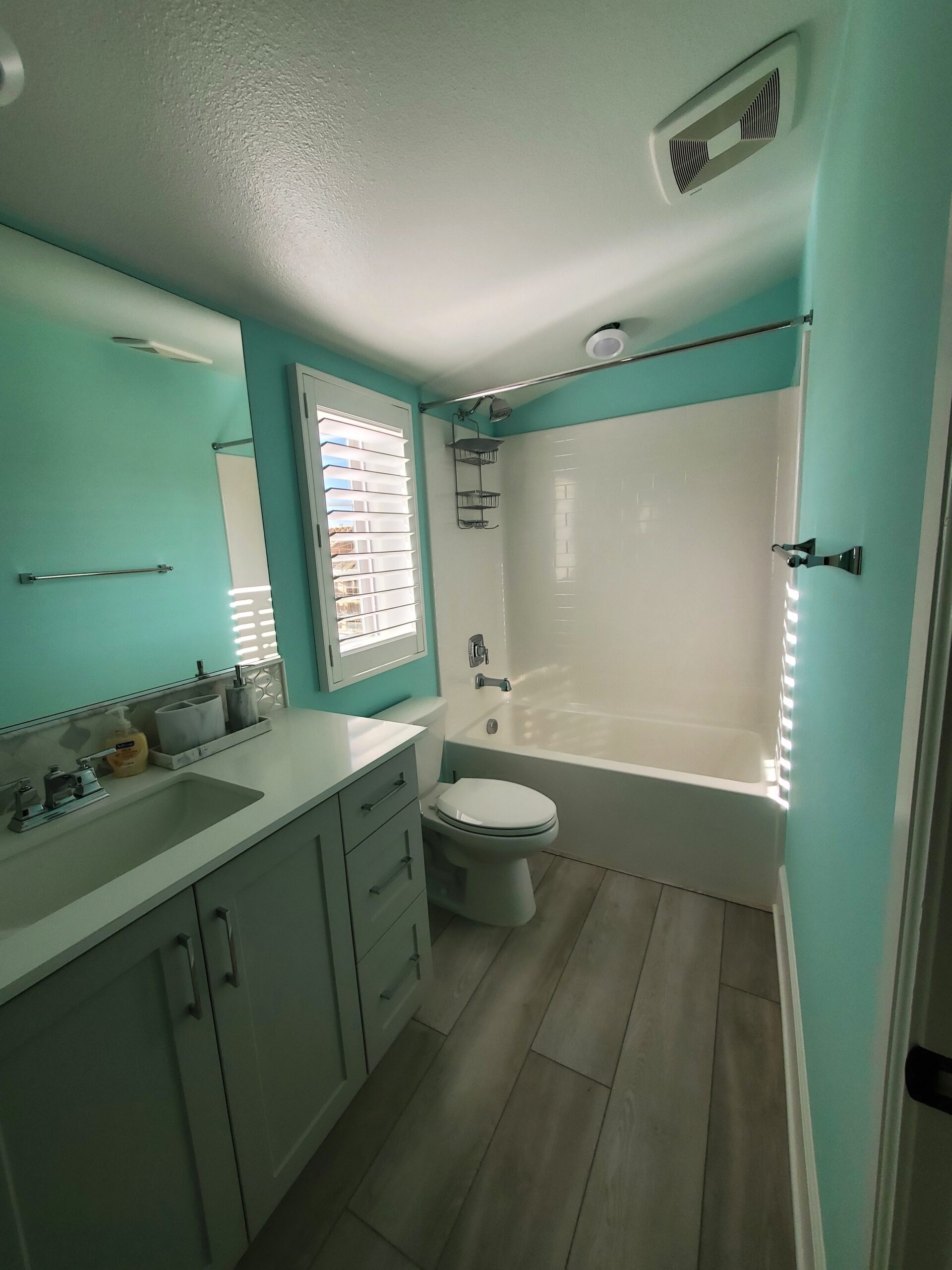
What kind of paint should you use in bathrooms?
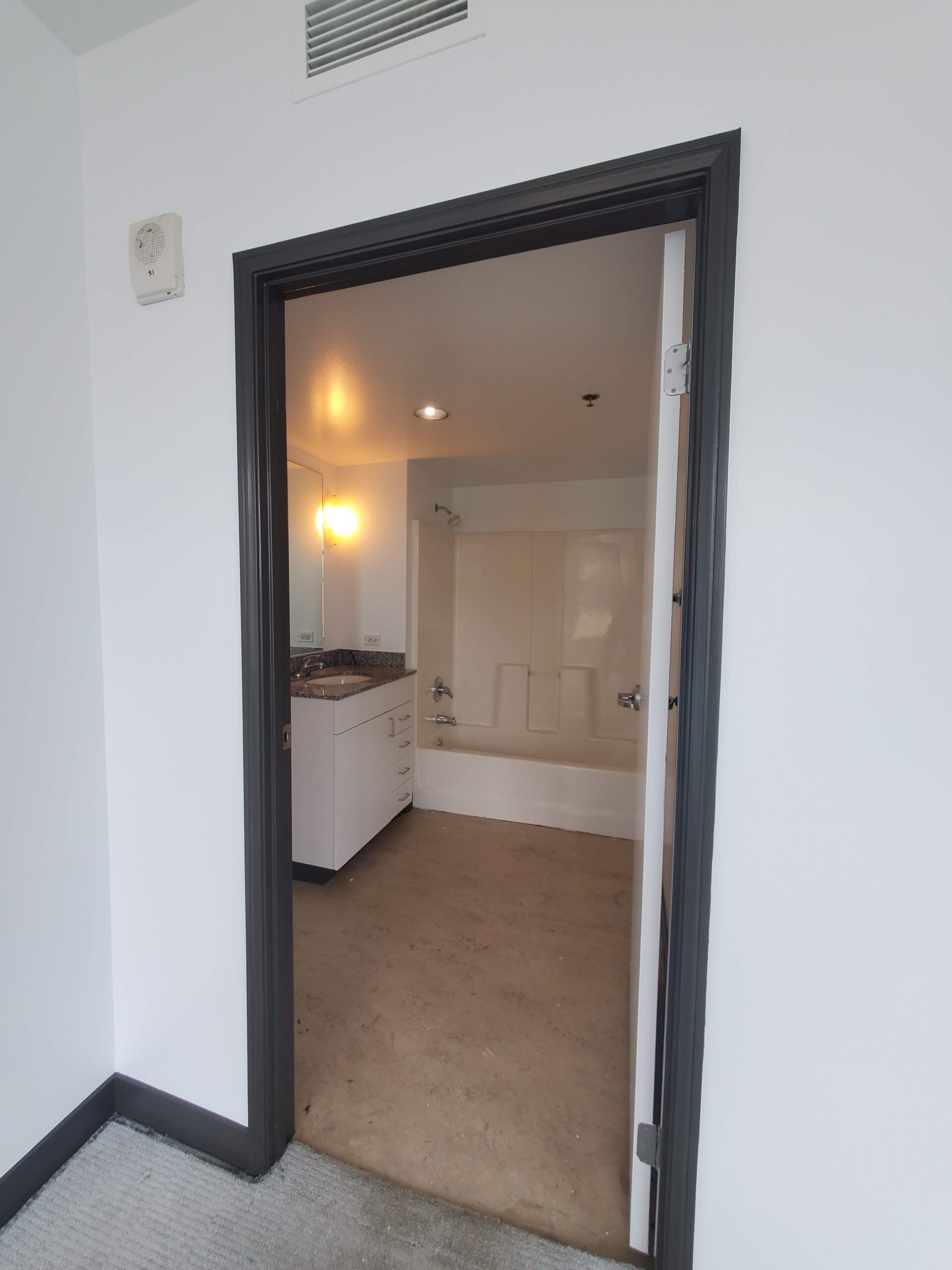
As a leading interior painting company in San Diego, we recommend using a paint with a higher sheen for bathrooms, like semi-gloss, because it forms a vapor barrier, which is ideal for rooms with lots of moisture.
What kind of paint should you use in a kitchen?
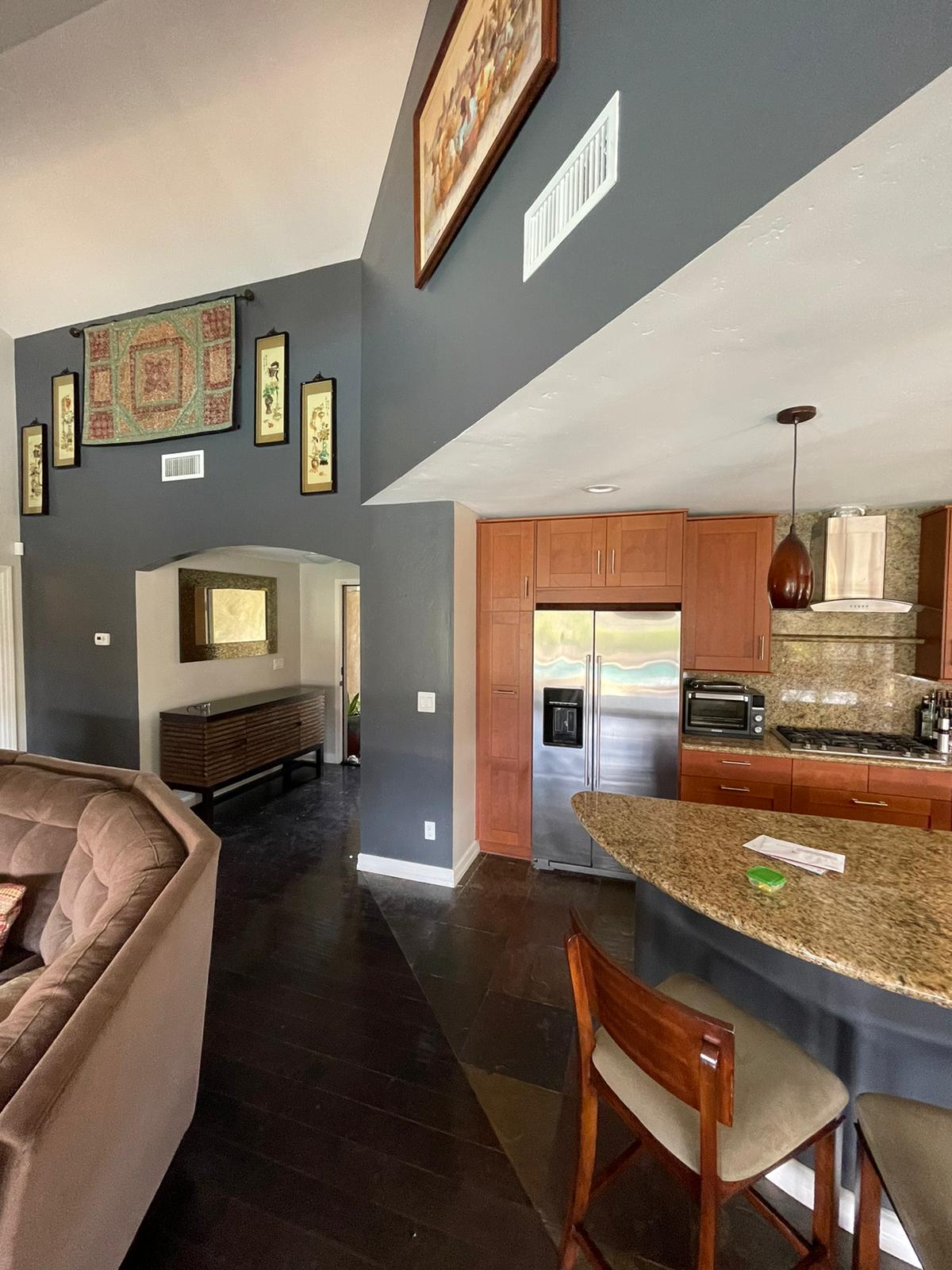
As professional interior painting contractors, we recommend using a paint with a higher sheen for a kitchen, like semi-gloss, because it forms a vapor barrier, which is ideal for rooms with lots of moisture.
What kind of paint should you use on cabinets?
We recommend using a paint with a higher sheen for cabinets, like semi-gloss, because it dries harder, and so is more durable for high traffic areas such as cabinets. Higher sheens are also easier to clean.
What kind of paint should you use on bedrooms?
We recommend flat or eggshell paint for bedrooms. Flat is less expensive to apply and is able to be touched up very easily. Eggshell will be slightly easier to clean, but more expensive to apply.
What kind of paint should you use on ceilings?
You should almost always use flat paint on ceilings.
Should you use oil or water based latex paint?
Short answer: nine times out of ten, we recommend using a water based paint rather than an oil based paint. Nowadays, water based paint dominates the market, for many reasons. It’s much better for the environment and your health, way easier to work with, dries quicker, doesn’t smell as bad, and is easier to clean up if spilled or oversprayed. Oil based paint has a reputation for being more durable, but this isn’t as accurate these days. Advancements in paint tech have allowed for “hybrids” or water based alkyds, that have the durability of oil based paints, with all the benefits of water based paints.
What sheen for walls?
We recommend using flat or eggshell paint for walls. Flat is less expensive to apply and is able to be touched up very easily. Eggshell will be slightly easier to clean, but more expensive to apply.
What sheen for baseboards?
We recommend using a paint with a higher sheen for baseboards, like semi-gloss because it dries harder, and so is more durable for high traffic areas such as baseboards that get hit with the vacuum cleaner. Higher sheens are also easier to clean.
What sheen for doors?
We recommend using a paint with a higher sheen for doors, like semi-gloss, because it dries harder, and so is more durable for high traffic areas such as doors. Higher sheens are also easier to clean.
What sheen for trim?
For interior trim, we recommend using a paint with a higher sheen, like semi-gloss, because it dries harder, and so is more durable for high traffic areas such as door jambs. Higher sheens are also easier to clean. For exterior trim, we recommend using a flat paint. Flat paint does a better job of hiding any imperfections you might have in your trim.
How long does painting a room take?
How long painting a room takes depends on the prep work needed, colors, sheens, etcetera but bedrooms usually take 5-7 hours to apply 2 coats, bathrooms usually 3-4 hours, and bigger rooms 10-12 hours.
How long should interior paint job last?
How long an interior paint job lasts depends on how much traffic your walls, baseboards, doors, and trim get. If you have young kids, dogs, and run the vacuum cleaner into the baseboards, it may shorten the life of your interior paint job. However, generally speaking, one of our interior paint jobs typically lasts at least 10 years.
How often should you paint your walls?
For the interior walls of your house, we recommend painting at least every 10 years depending on the amount of traffic you get. If you decide to rent out or sell your house, we suggest having it painted before doing so. It will increase the likelihood that the house sells or rents, and will increase the overall value.
Can you put latex paint over oil based paint?
Yes, with the proper prep work and primer, you can put latex paint over oil based paint. In order to paint latex over oil, the oil based paint needs to be sanded down and then primed over with an oil based primer. Once the primer dries, you can then safely apply a latex paint on top of the primer.
What are the different kinds of paint finishes?
The different kinds of paint finishes/sheens from lowest sheen to highest are: Flat, Matte, Velvet, Eggshell, Satin, Semi- Gloss, Gloss, High Gloss.
How to prepare for interior house painting?
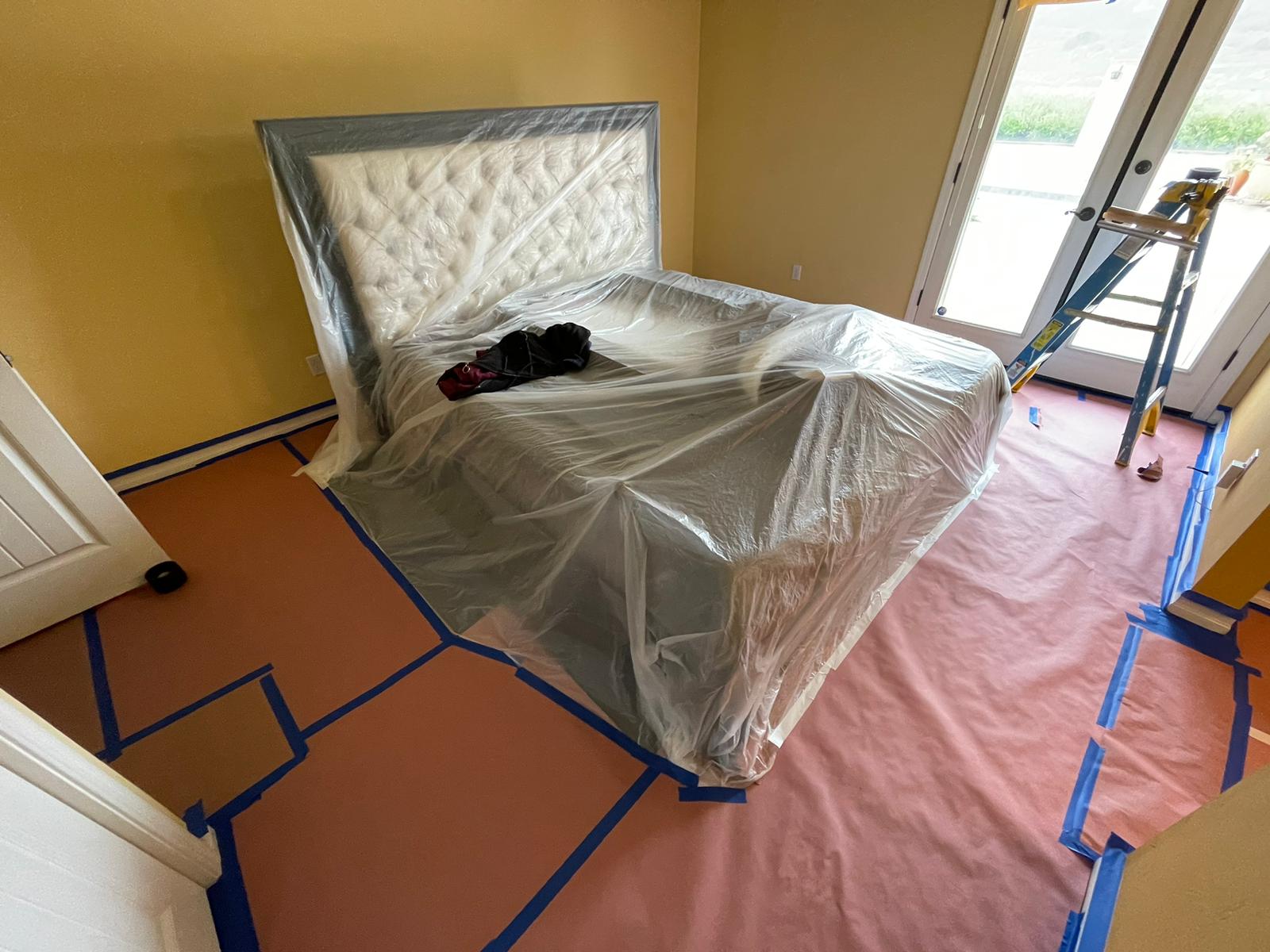
In order to prepare for interior house painting, please remove everything from the walls and move any smaller valuables to the center of the room. We can move the heavier furniture to the center of the room, and remove curtain rods, towel rods, outlet covers, etc. All valuables will be covered and protected.
How long will it take to paint my house?
The short answer is we will tell you how many days it will take to paint your house at the estimate. Because there are so many variables to a paint job, and every house is different, it is tough to give a general answer of how long it will take. During our estimate, we will calculate how much prep work like scraping, sanding, caulking, filling, and masking there is, how many stories your house is, how many colors there are, and how big of a crew we’ll need. With this information, we will be able to tell you how many labor hours and gallons it will take to paint your house.
Do you guys do drywall work?
Yes, our crew is trained to do drywall work prior to painting. We can fill holes spanning from the size of a baseball to several square feet. We then match the existing texture of the wall so you can’t tell a patch was ever done.
When can you start and how long will it take?
At the time of the estimate we will tell you both how long the paint job will take and when we can start. We are known for starting and completing our projects on time, and on budget.