Commercial Interior Painting in San Diego

Commercial interior painting has to solve more than a color problem. The scope must account for the condition of the surfaces, areas that stay in use, items that need protection, access, and the order in which the work can happen.

J Brown Painting plans commercial interior projects in San Diego around the actual space. We begin with a walkthrough, define the surfaces and preparation in writing, and build an itemized estimate so decision-makers can compare the work—not just the final number.

    Call or Text Day or Night For a Free Bid

    619-356-0830

    A Commercial Interior Scope You Can Evaluate

    A reliable proposal starts before paint is selected. Justin Brown, J Brown Painting's founder and lead estimator, reviews the site, the surfaces to be painted, existing damage, access, and any timing constraints that the business needs considered. If phasing or work outside normal operating hours matters, it must be discussed and confirmed in the written scope; it is not treated as a blanket promise.

    1. Define every surface and exclusion

    “Paint the interior” is not a complete scope. Walls, ceilings, doors and frames, baseboards, trim, restrooms, storage areas, and other surfaces should be listed separately. Areas that are not included should be listed too. That makes it clear which parts of the property are being priced and prevents a vague allowance from turning into a disagreement.

    2. Record repairs before coating work begins

    Nail holes and minor dents are normal preparation. Larger openings, water-damaged drywall, failing tape joints, damaged corner bead, or texture matching are repairs with their own labor and steps. We identify those conditions during the walkthrough and place needed work in the estimate instead of hiding it inside the word “prep.” J Brown Painting also provides drywall repair in San Diego when the substrate needs more than patching.

    3. Protect the space before opening paint

    Protection is planned for the specific interior. Justin's standard interior process uses walkable red rosin construction paper secured with tape selected for the flooring, plus painter's plastic that can be taped down instead of shifting as people pass. Fixtures, windows, furniture, merchandise, equipment, and other nearby items are reviewed so the proposal can state what the crew protects and what the client needs to move or prepare.

    4. Prepare for adhesion and clean lines

    Outlet covers and similar removable items come off where appropriate. Nail holes are filled, trim is lightly scuffed when needed for adhesion, and incompatible or failing existing coatings are addressed before a finish coat goes on. At wall-to-ceiling and wall-to-trim transitions, the edges are brushed and the field is rolled while the cut is still wet when practical, helping the finish read as one uniform surface.

    5. Specify products, sheen, colors, and coats

    A professional estimate should name the manufacturer, product line, sheen, color, and planned number of coats for each substrate—not only the paint brand. Cleaning needs and traffic matter when selecting a finish. Dramatic color changes can require an additional coat, so the estimate should also explain how that possibility is handled before the project starts.

    6. Agree on access and sequence

    Occupied retail and commercial spaces require decisions about when crews can enter, which areas can be released for work, what must remain accessible, and where materials can be staged. We use that information to propose a sequence. Whether a business can remain open, or whether evening or weekend work is available, depends on the particular site and must be confirmed during estimating.

    For a useful comparison, ask every bidder to put the same scope, preparation, materials, coats, exclusions, protection responsibilities, and schedule assumptions in writing. Then you can see why prices differ instead of guessing which important step was left out.

    Why Choose J Brown Painting for a Commercial Interior

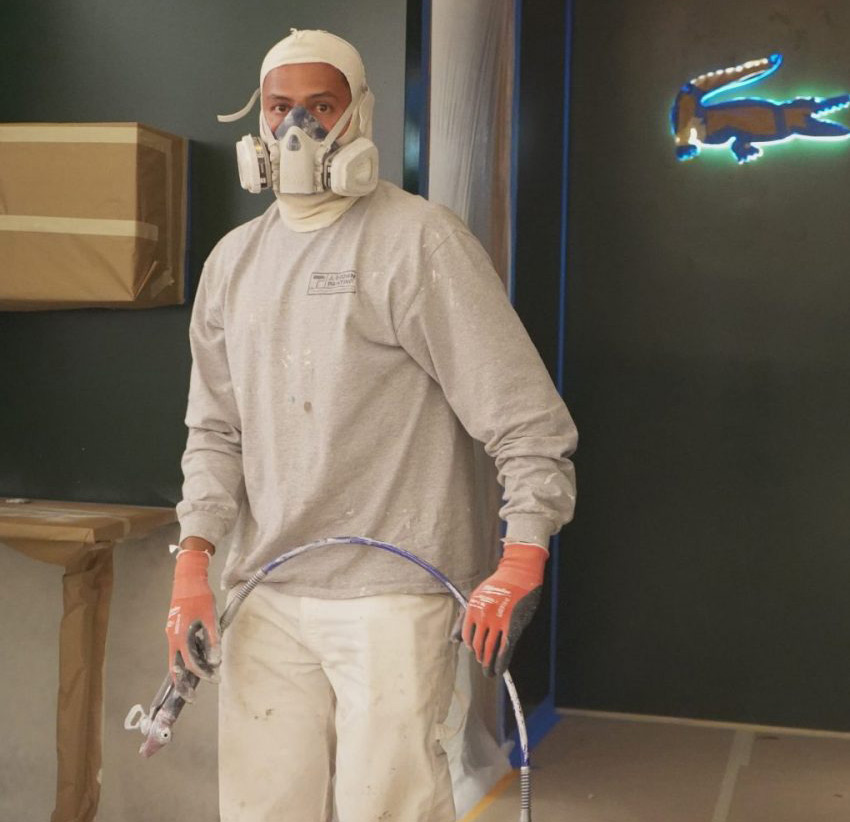
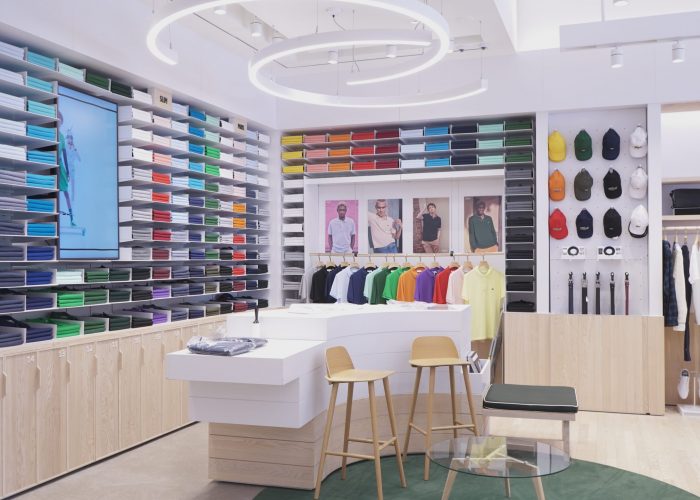
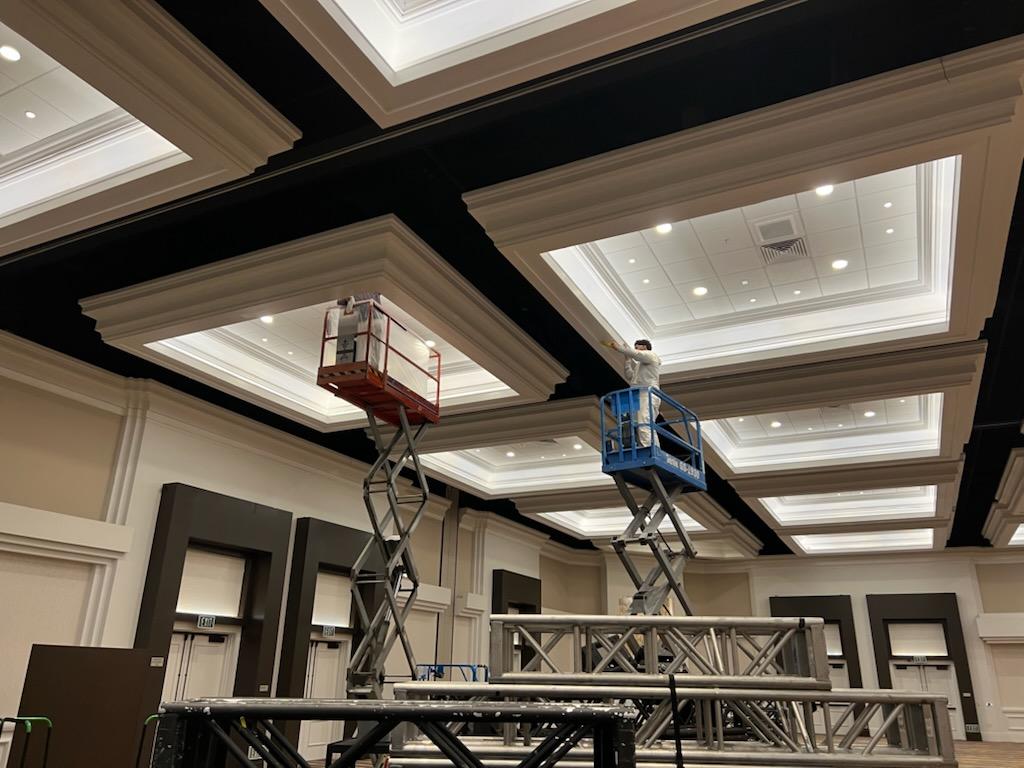
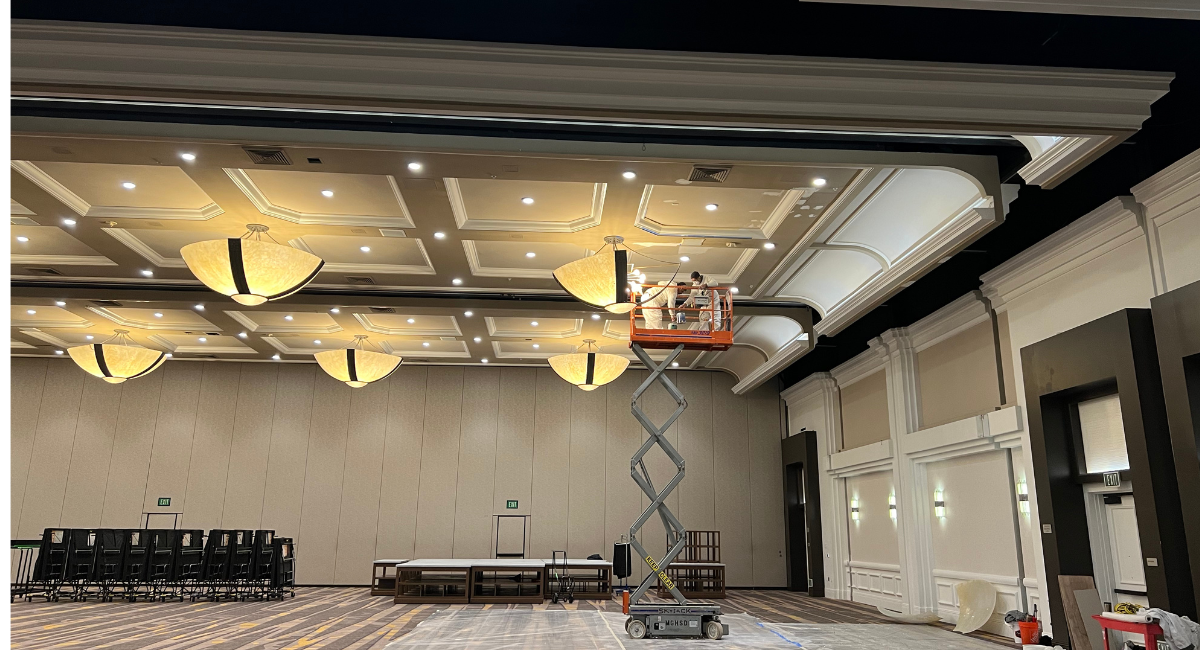
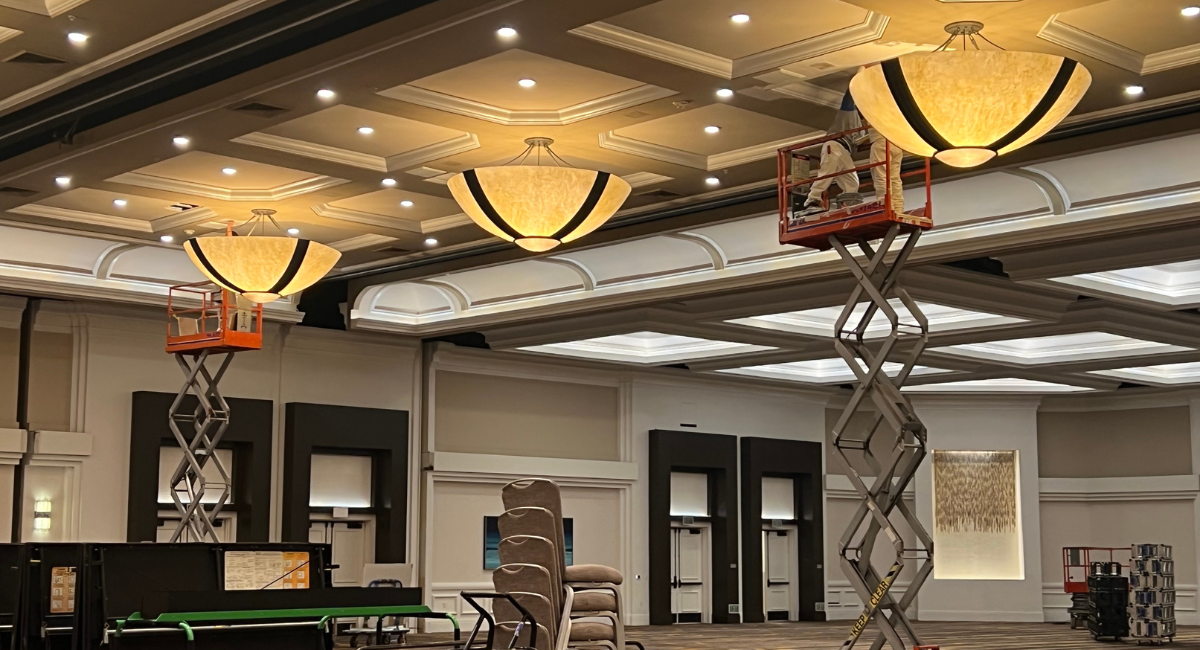
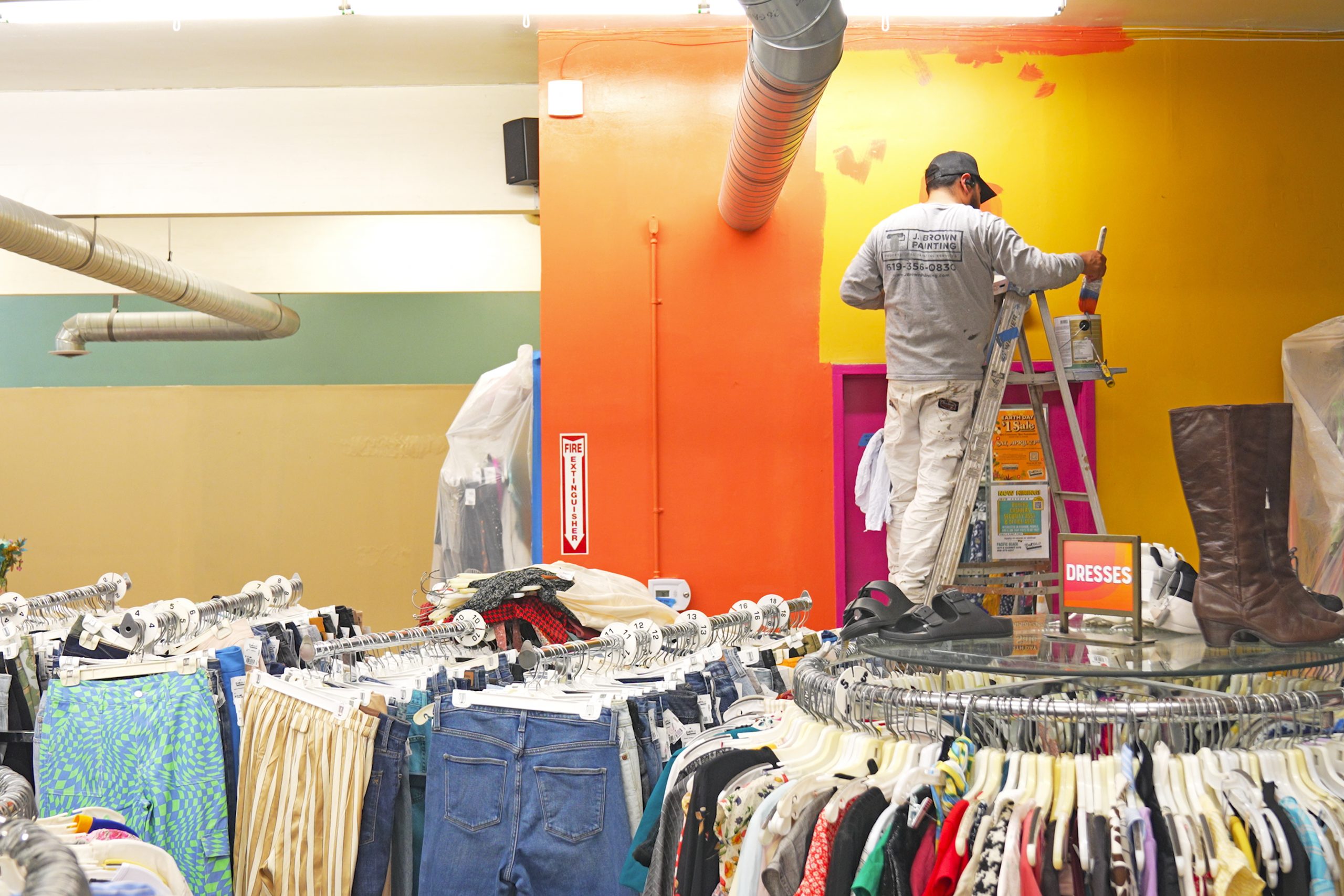
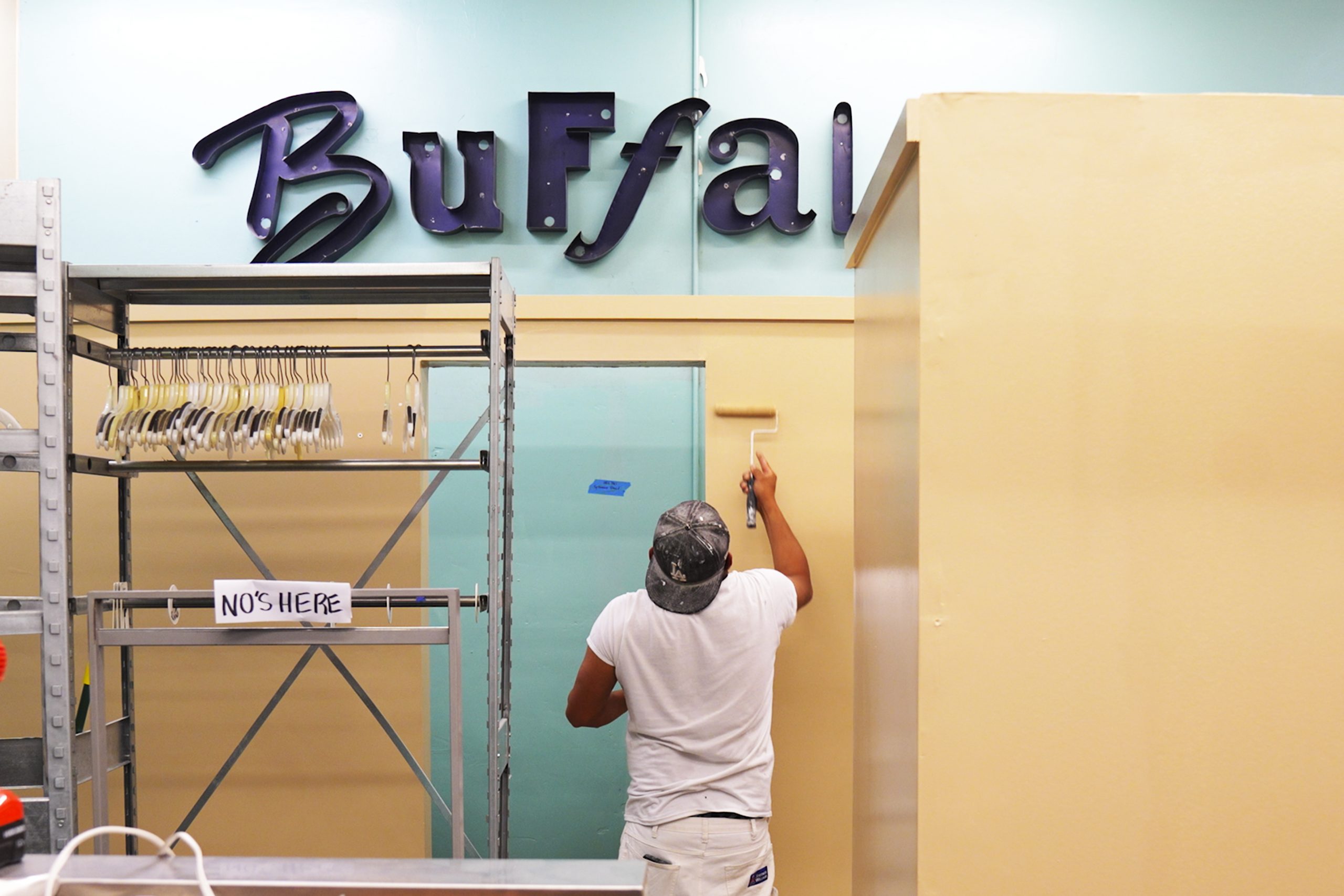
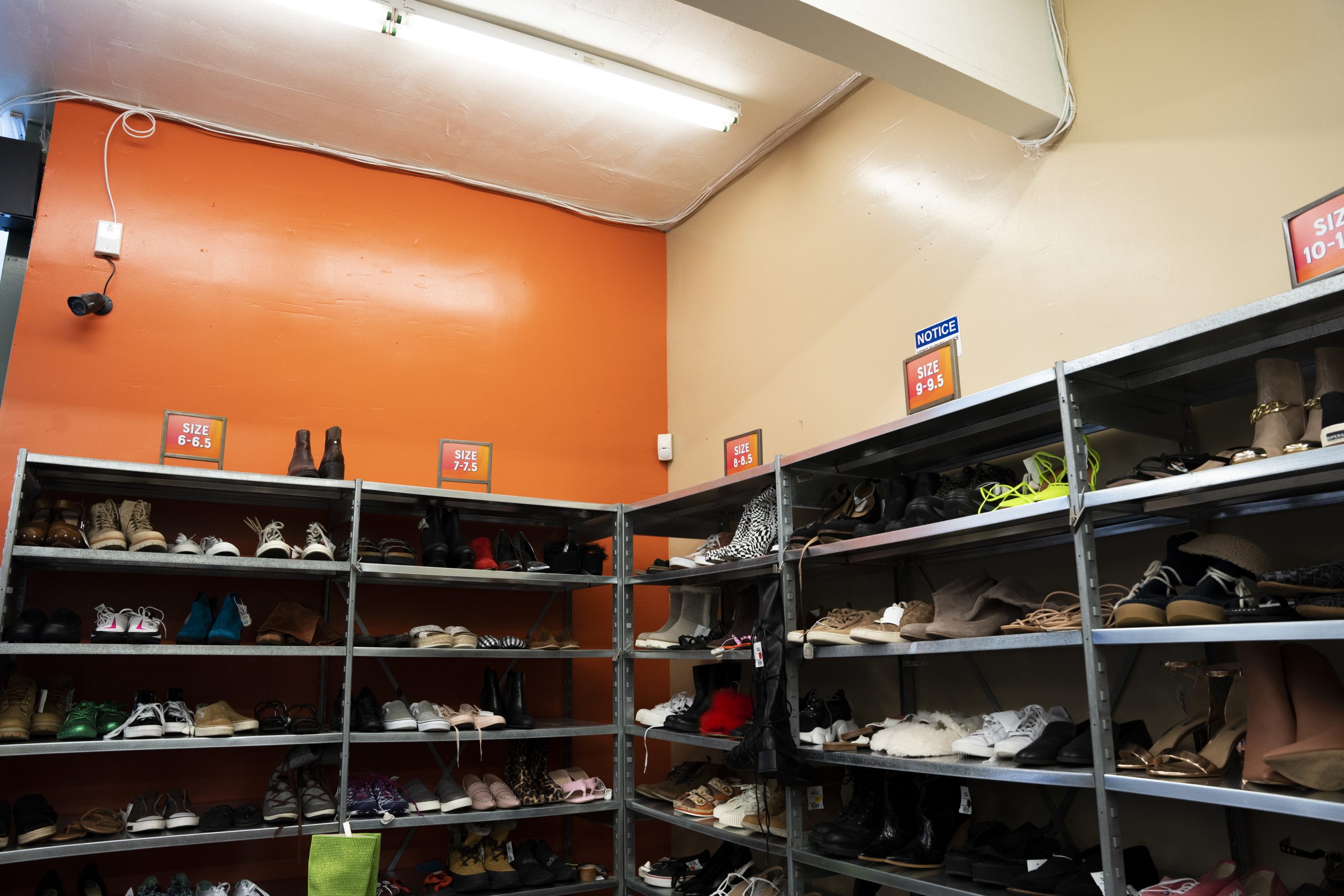
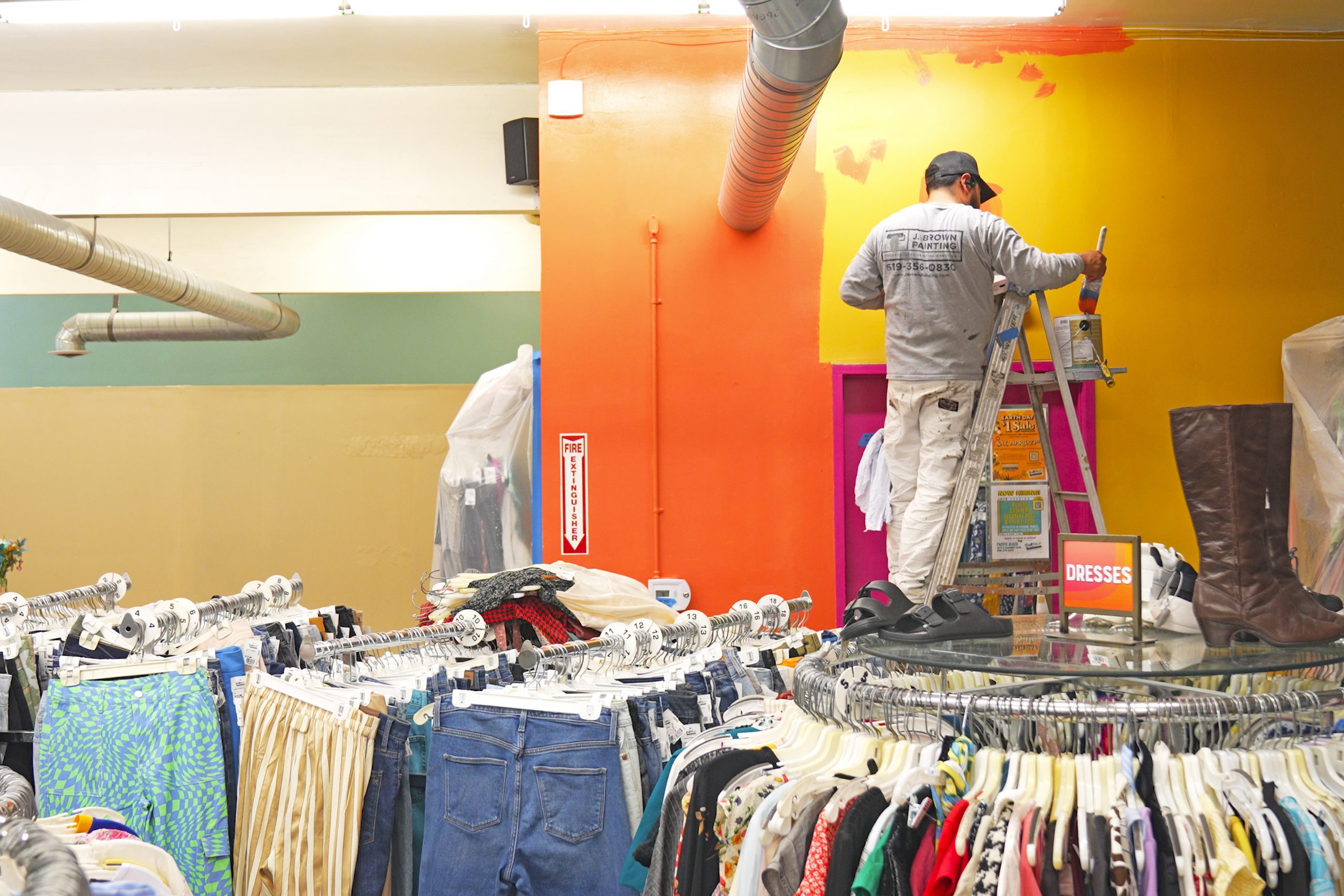
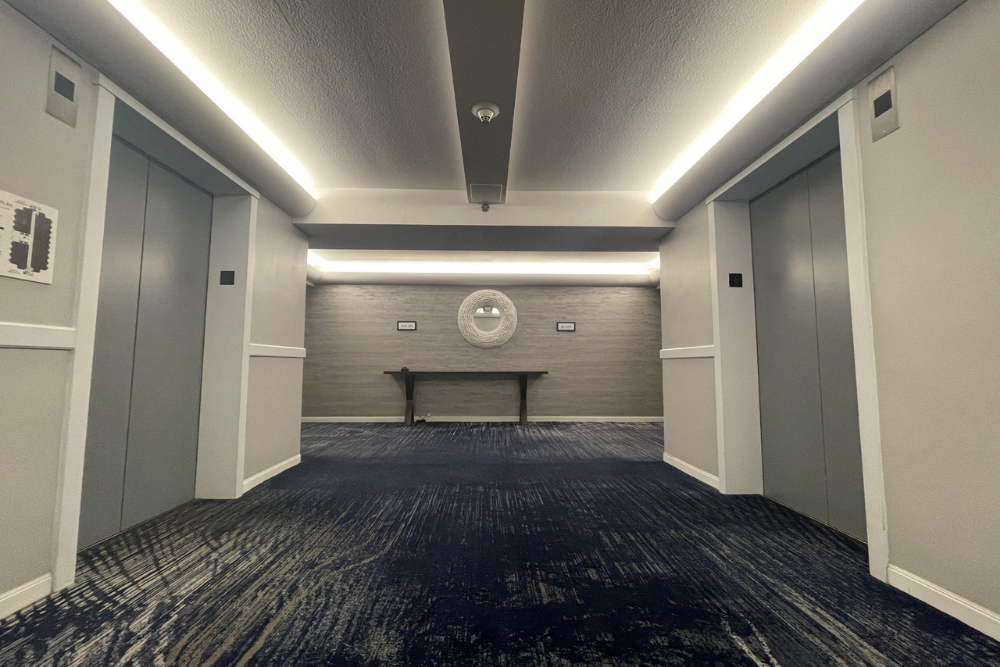
    This page includes real commercial work rather than stock examples. The project section below shows J Brown Painting's work for Lacoste and Buffalo Exchange, along with a gallery of retail, corridor, and large-interior painting conditions. The Buffalo Exchange testimonial also gives a named client's account of communication, scheduling, and completion.

    That project evidence matters, but it does not replace a site-specific plan. A retail store with merchandise in place, a corridor with controlled access, and a large room that requires lift access create different preparation and sequencing needs. We price what is actually present and document the plan before work begins.

    One estimate, clearly separated decisions

    Justin's estimating method separates surfaces and optional work into line items. If the project has walls, ceilings, doors, trim, repairs, or another distinct scope, each can be reviewed on its own. That makes budget decisions more useful: the client can adjust the amount of work without quietly reducing the standard of preparation on the work that remains.

    Commercial interiors also reveal adjacent conditions. Damaged wood trim can be evaluated through our wood repair service, and completed clients can be reviewed on our customer testimonials page. The goal is a defined, inspectable scope—not an unsupported promise that every commercial property can be handled the same way.

    Request a commercial interior painting estimate in San Diego. Bring your required areas, access rules, target dates, color standards, and any known repairs to the walkthrough. We will turn those requirements into a written scope you can evaluate.

    What Do Our Clients Think Of J Brown Painting?

    “Wonderful company to work with! Justin was very nice and responsive. Our project was a large commercial project for a retail store and they fit us in on short notice and completed everything in a very timely manner, exactly as promised. Fantastic crew and company!”

    Sarah Mahalish.
    Commercial Interior Projects

    Reimagining Lacoste

    J Brown Painting x Buffalo Exchange

    Commercial Interior Painting FAQs

    What should a commercial interior painting estimate include?
    It should identify the property, surfaces to be painted, preparation and repairs, protection responsibilities, manufacturer and product line, sheen, colors, planned coats, exclusions, access assumptions, sequence, price, and schedule. A phrase such as “paint interior” is too vague to compare responsibly.
    Can commercial interior painting be completed in phases?
    Sometimes. Phasing depends on the layout, safe access, the order of preparation and coating, where materials can be staged, and which areas the business must keep available. Those requirements should be discussed during the walkthrough and written into the estimate.
    Can my business remain open while the interior is painted?
    That cannot be promised without seeing the site. It depends on customer and employee access, ventilation, drying areas, equipment or merchandise, and the surfaces being painted. J Brown Painting reviews these constraints and proposes a sequence for the specific property.
    Does J Brown Painting offer night or weekend commercial work?
    Availability depends on the project and current schedule. If work outside normal operating hours is important, raise it during estimating so the exact days, hours, access, and cost can be confirmed in writing. It is not assumed for every project.
    How are floors, fixtures, furniture, and merchandise protected?
    The protection plan is matched to the space. J Brown Painting's interior process uses walkable rosin paper taped with a product selected for the floor and painter's plastic that can be secured in place. The estimate should also state what the crew protects and what the client moves or prepares.
    Can drywall repairs be included before commercial painting?
    Yes. Small nail holes and dents may be normal preparation, while large holes, water damage, failing tape, damaged corner bead, and texture matching are separate repair work. We identify the difference and list the necessary repair in the scope before painting.
    How long does a commercial interior painting project take?
    The duration depends on square footage, surface condition, repairs, access, protection, color changes, number of coats, and whether the work is phased. After a site visit, those variables can be turned into a project-specific sequence and schedule.
    How are paint products and sheens selected for a commercial interior?
    Selection depends on the substrate, existing coating, desired appearance, cleaning needs, and traffic. The written proposal should name the manufacturer, exact product line, sheen, color, and coat count for each surface rather than naming only a brand.
    What commercial interior projects can I review on this page?
    The page includes real J Brown Painting project assets for Lacoste and Buffalo Exchange, a Buffalo Exchange client testimonial, and a gallery showing retail, corridor, ballroom, and lift-access interior work.

    Learn more about commercial interior painting