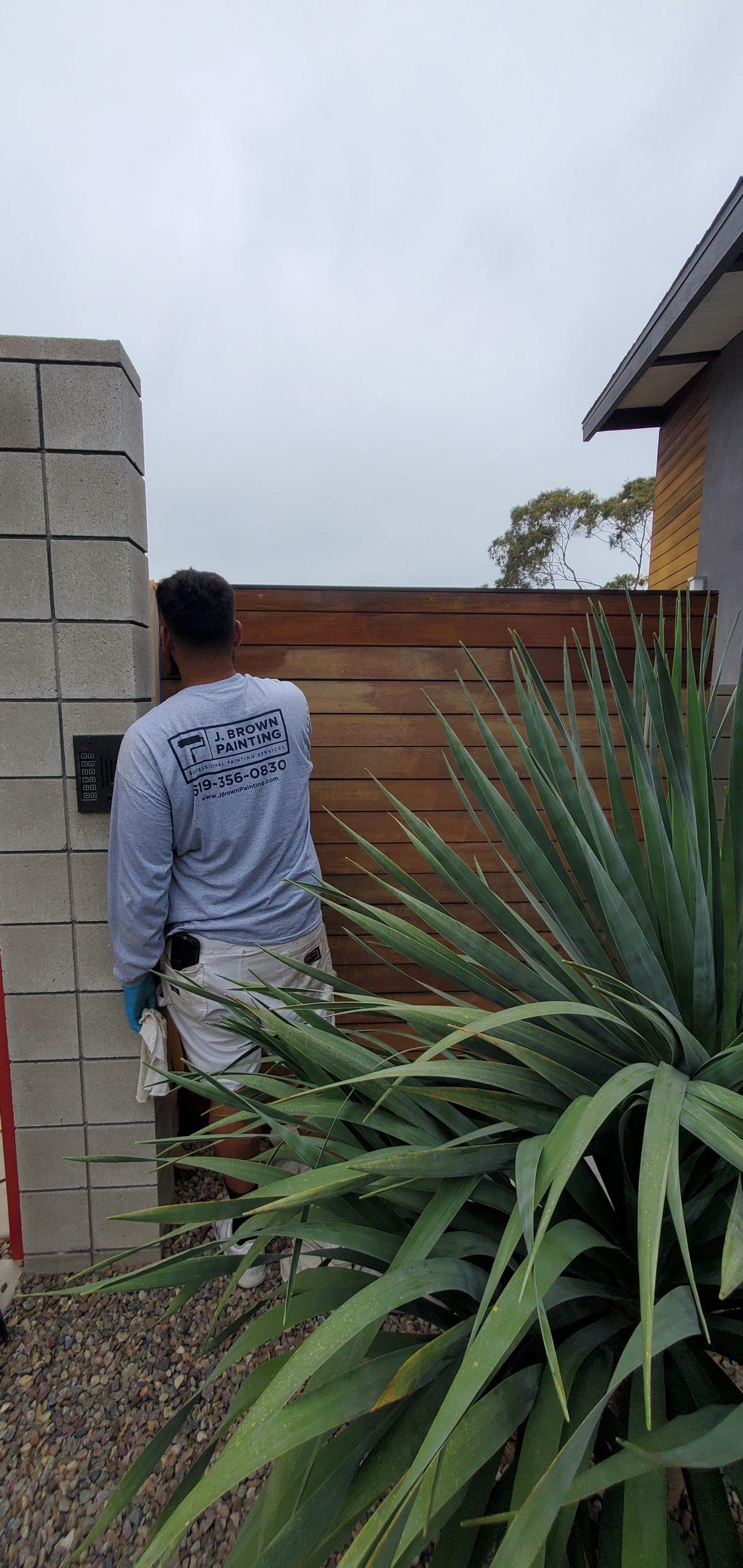
Your Go-to Painting Company In San Diego
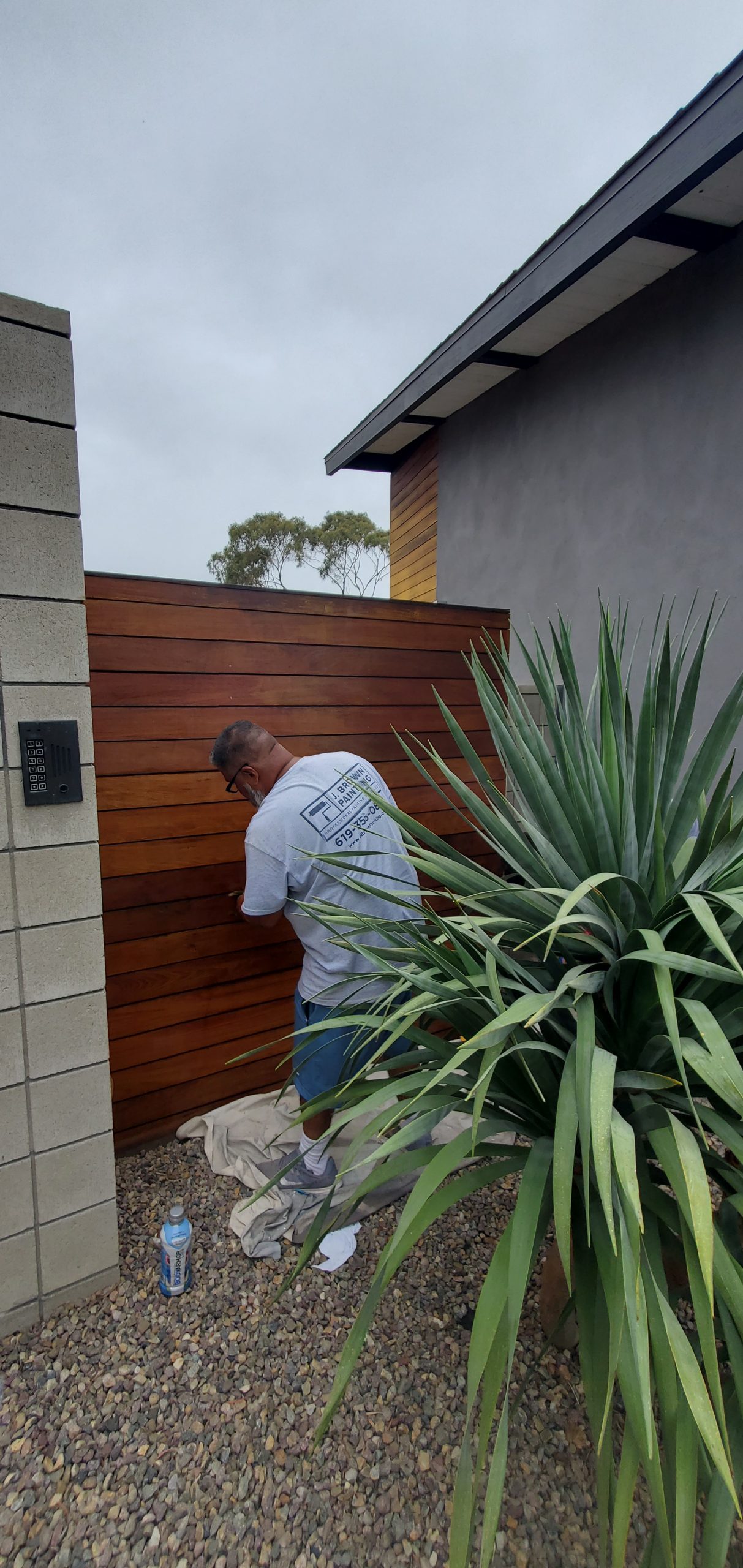
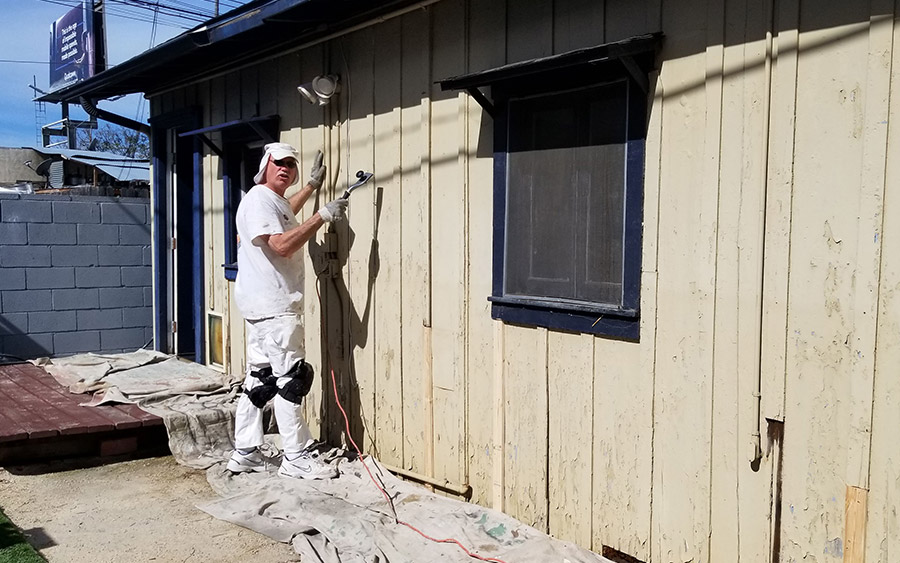
Transforming Spaces For More Than 15 Years: With our affordable pricing and exceptional turnaround times, we have become a top-tier painting company in San Diego for many of our clients. Our crew completes four houses per week, on average, which puts us at over 2,500 houses painted! We’ve painted everything from 2 story Victorian homes with six different paint colors and an intricate blend of architectural features, to 1 story beach bungalows with chipped paint and wood rot that keeps people up at night!
Why Homeowners Choose J Brown Painting?
Your company is no better than the employees that you hire and our entire crew takes extreme pride in the work that we provide to our customers. Now I could tell you the usual, monotonous "check out our client reviews" and "check out our portfolio," but here’s my honest take on why we are the go-to painting company in San Diego:
- 5 Star Rating Over 500 Customer Reviews
- Honest recommendations—even if it means spending less
- Clear communication from first call to final walkthrough
- Out-the-door pricing with no surprises
- The most thorough consultation with a detailed, itemized proposal so you can choose what fits your budget
- Friendly, easy-to-communicate-with, detail-oriented painters who respect your home
- Professional, Reliable, and Responsive
- Realistic timelines that we actually hit
- References you can actually call
- Hundreds of recent projects you can drive by
- Licensed, Bonded, Insured
- Sherwin Williams or Dunn Edwards premium paint
We are not going to tell you we deliver quality craftsmanship and customer satisfaction. Every painter in San Diego says that, which is why it tells you nothing. Here is something more useful: the questions our founder and lead estimator, Justin Brown, has spent sixteen years telling homeowners to ask any painter — and our answers. Ask the same of the next two companies you call. That is the point of the list.
Are you licensed, bonded and insured — and can you prove it?
Our California license is #1131421. Do not take our word for it — use the Contractors State License Board license check. It shows whether a license is active and whether the workers' compensation, general liability and bond behind it are active too. These get suspended, and the lookup is the only place that tells you. None of the three is paperwork for our benefit: workers' comp means that if a painter falls off a ladder on your property, the medical bill is not something you can be pursued for; general liability covers a ladder through a window or overspray on your neighbor's car; the bond means that if you are unhappy with the work, there is a third party you can go to.
What is actually in your estimate?
This is the question that separates painters, and most homeowners never ask it. An estimate that says "paint house" is not an estimate. Ours runs to line items, because a vague scope is where disagreements are born. Every one contains:
- The prep work, bulleted out. Not "prep included" — the actual list. Power wash. Mask off what is not being painted. Sand chipping and peeling paint. Spot-prime bare wood. Caulk large cracks. Pull nails. Patch bubbling stucco. Clean up daily.
- Every surface named, or named as excluded. Not "trim" but fascia, eaves and window trim. Not "stucco" but stucco body and stucco retaining walls, so nobody discovers on the last day that the retaining walls were never in the price. We also list what we are not painting. A strange thing to put in a sales document; it prevents most of the arguments in this trade.
- A materials chart giving, per surface: manufacturer, the grade of paint within that range, sheen, color, number of coats. "We use Sherwin-Williams" is not information — their cheapest line is also Sherwin-Williams. The grade is what you are buying.
- An itemized pricing chart, bid in parts so you can choose what fits your budget rather than accept or reject one large number — then the payment schedule, the fine print, our license number, and the words "home improvement contract".
When do you want paying?
A deposit of 10% of the total contract price or $1,000, whichever is less, to secure a spot in our schedule — then the remaining 90% when the job is finished and you are happy with it. Any initial deposit accepted above that amount is illegal in California. Almost all of the money stays in your pocket until you have walked the job with us. We keep the up-front figure deliberately small — a company asking for a large share of the money before any work has happened is asking you to carry all of the risk.
The price is an out-the-door number — labor and materials, itemized in the contract before you sign rather than produced afterwards. Ask every painter for the same in writing.
Who will be in my house, and for how long?
A three-bedroom interior — walls, doors and baseboards — takes about five days, usually Monday to Friday, with three painters on it. That number is deliberate: fewer and it drags on, more and they are painting on top of each other and crowding you out of your own home. We clean the site up daily. Ask any painter you are considering who your single point of contact will be, whether the foreman on site speaks English, and whether you get a walk-around at the end of each day — the answers vary more than you would expect.
How do you protect my house while you work in it?
This is where most of the damage in this trade happens, and it is almost never the paint that does it.
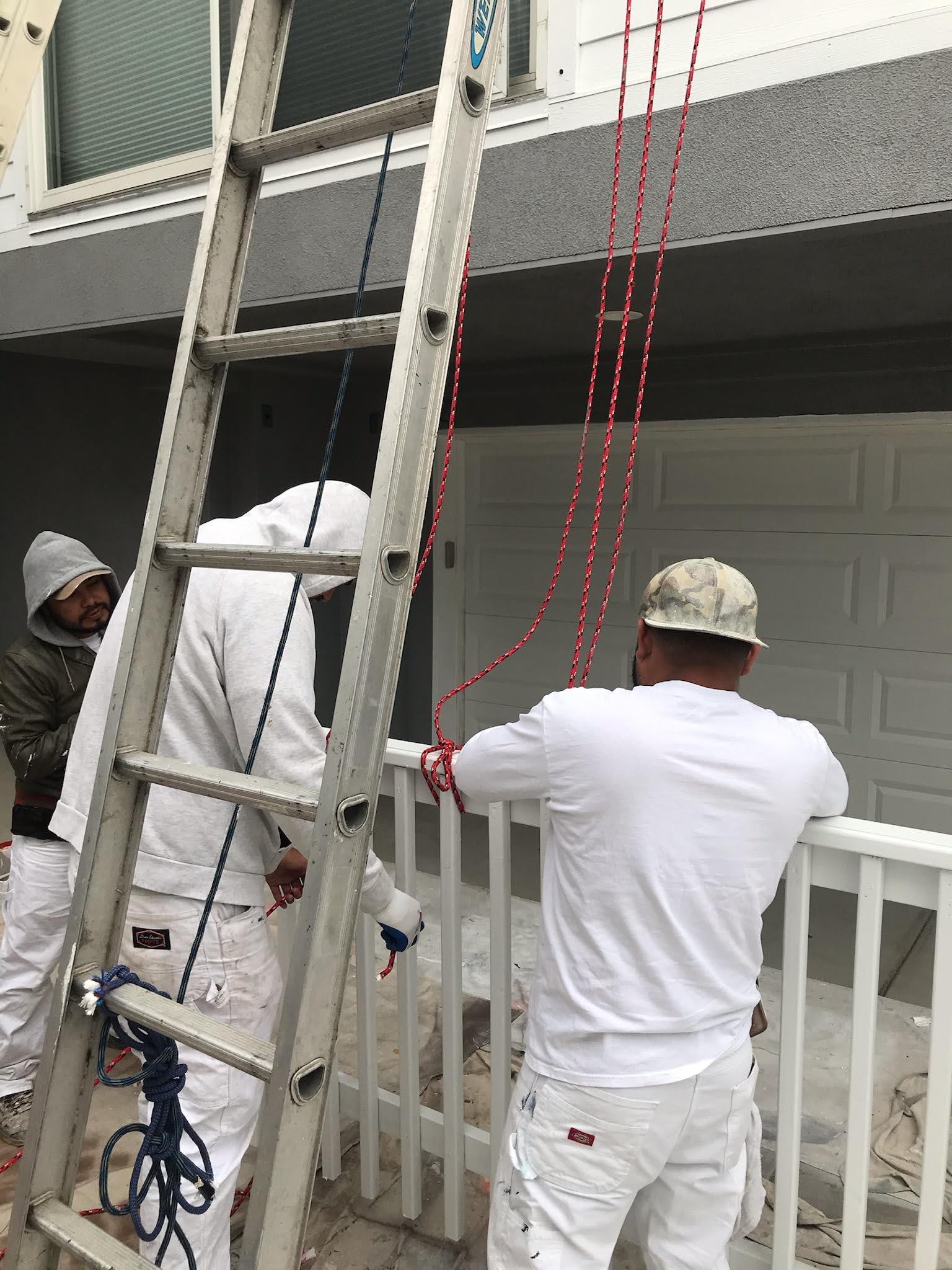
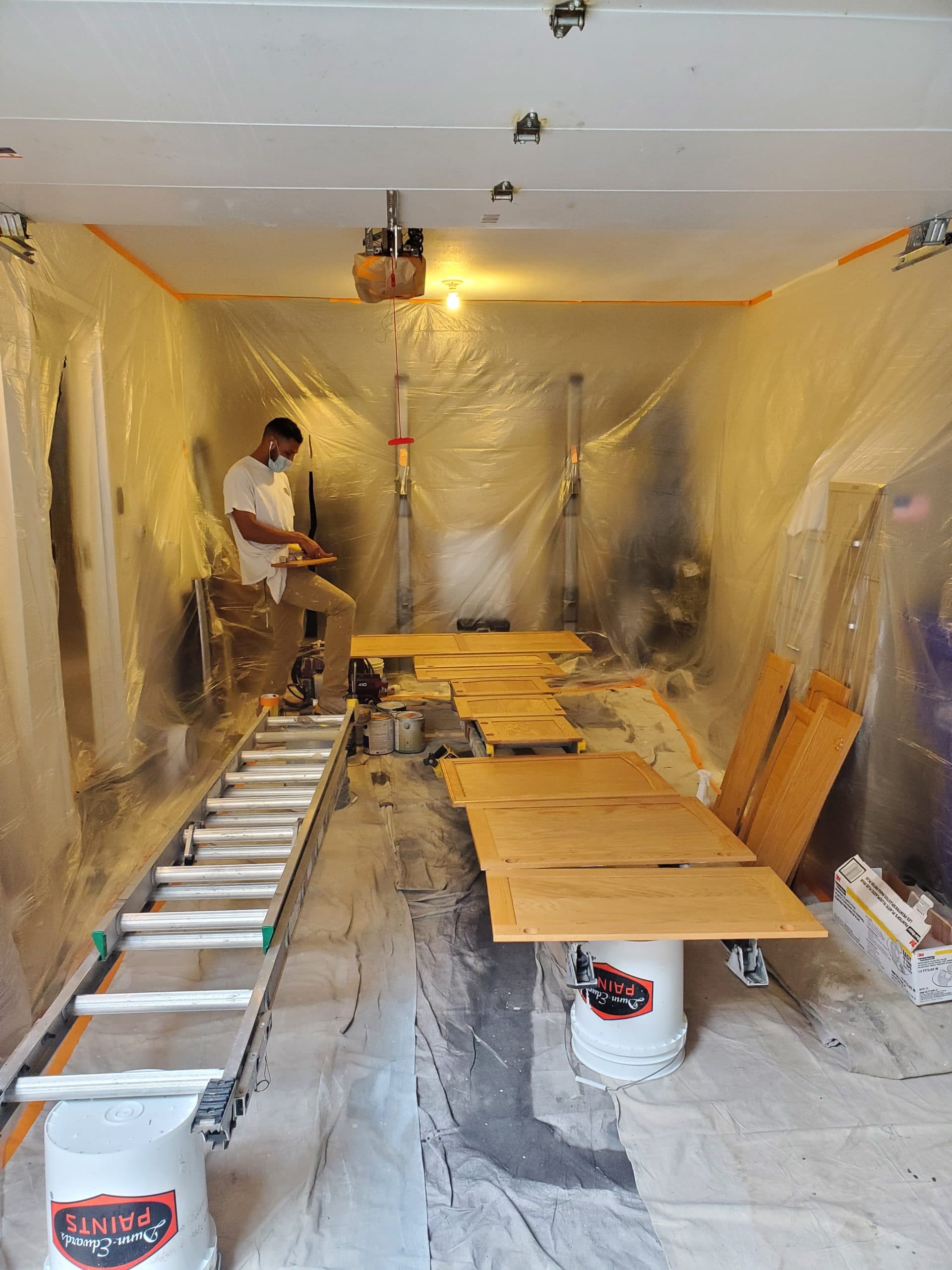
- Red rosin construction paper over your floors — heavy enough to walk on — taped with a tape chosen for your flooring: blue, FrogTape, or the pricier purple, far less likely to lift the finish when it comes up. Our painters lift ladders rather than drag them, and we tie rags around the feet of the step ladders.
- Furniture fully covered in painter's plastic, taped down to the floor or the rosin paper. We prefer plastic to canvas precisely because you can tape it — an untaped drop cloth sways as you walk past, and a swaying cover is not a cover.
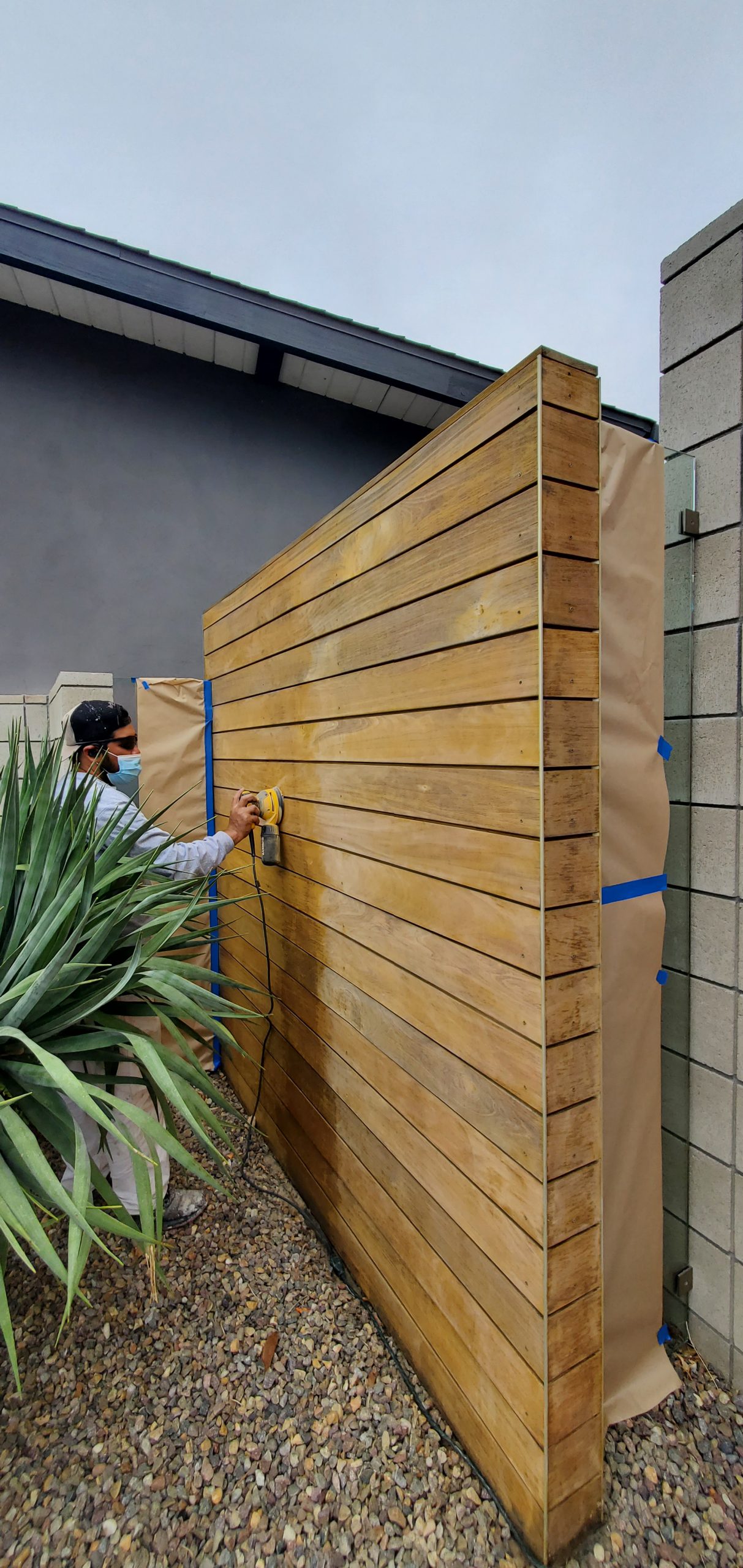
- Outside, we mask what people forget: light fixtures, cameras, outdoor speakers, landscaping, walkways, vinyl windows, glass, screens, and the neighbor's house when it is close enough to matter.
Are you the cheapest?
No — and rarely the most expensive either. On most jobs we land somewhere in the middle, and we would rather say so plainly than have you find out on the third quote. Get three quotes, then compare what is in them. A thousand dollars cheaper is not a thousand dollars saved if the prep is skipped, the paint is a lower grade than the brand name suggests, or change orders appear halfway through. An average job from an average contractor using low to mid-grade paint buys you six to seven years. Proper prep and top-notch paint buys you twelve to fifteen. That difference is the whole argument.
Will you talk me out of work I do not need?
Regularly. Because we bid every part separately — ceilings, walls, doors and casings, baseboards, closets — we can also tell you which to skip. Ceilings are usually fine because nothing touches them; closet walls sit behind a door and behind your clothes; and matching ceiling color to wall color removes the need to cut a line between them, which takes a real amount off the price.
We will also tell you when we cannot stand behind something. A stucco retaining wall bubbling for lack of drainage can be patched — but we will not warranty the patch, because we have not fixed the cause. You should hear that before you pay for it, not after.
Check us the way we would check us
Read our customer reviews, and check how recent they are as well as what they say — a company can have been good five years ago and lost its way since. Work through our portfolio and our FAQs. Ask us for addresses near you to drive past, and references you can phone. Then ask a technical question and see whether whoever answers has ever held a brush.
Request a free estimate, or call or text 619-356-0830 day or night. We will walk the property, itemize it so you can see what each part costs, and put the answers above in writing.