Stucco Repair San Diego Style
Stucco Repair and Painting Near Me
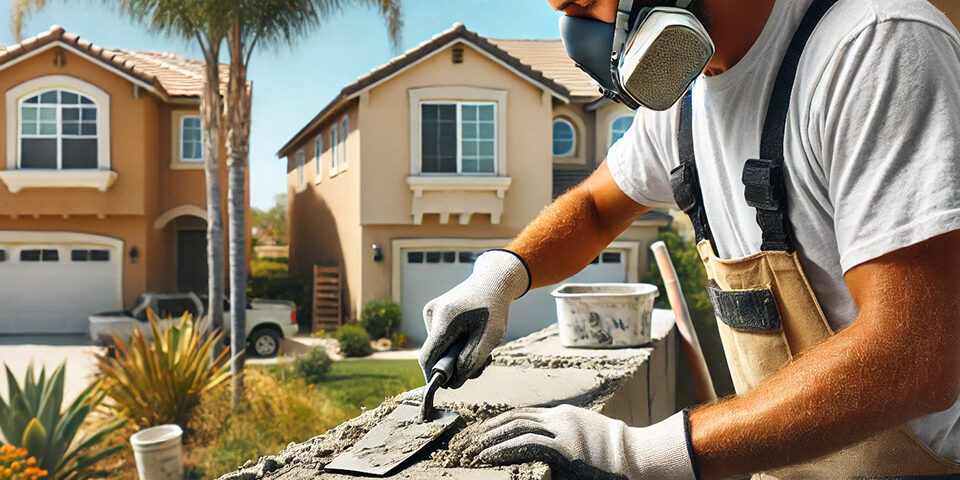
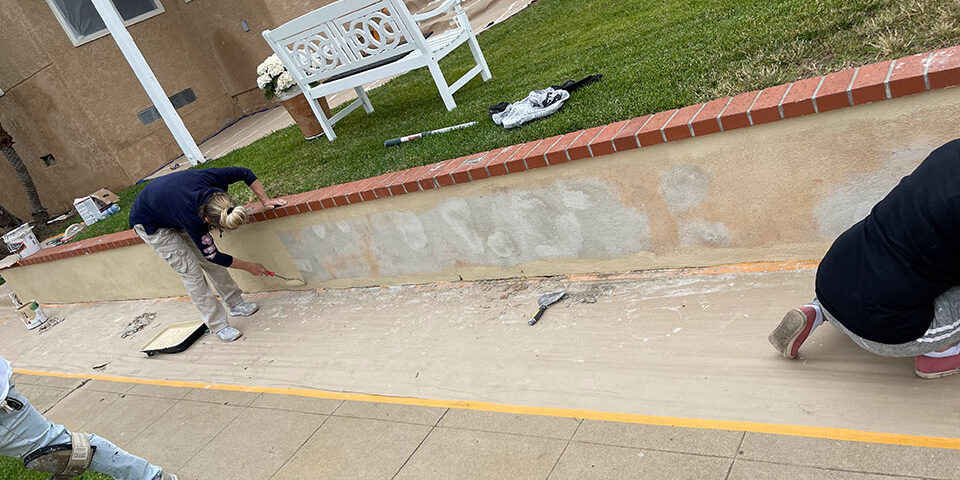
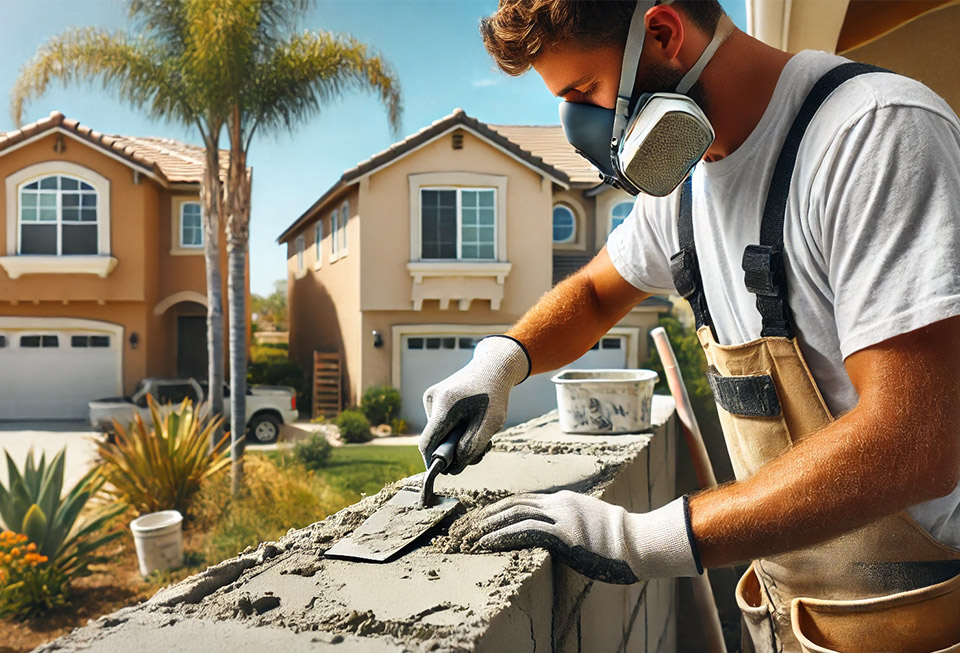
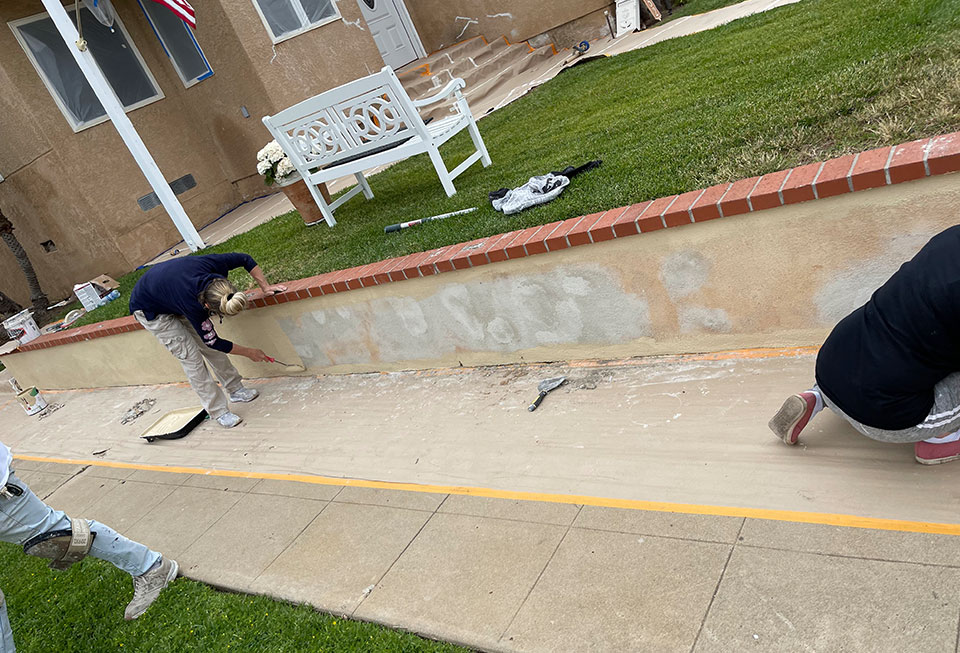
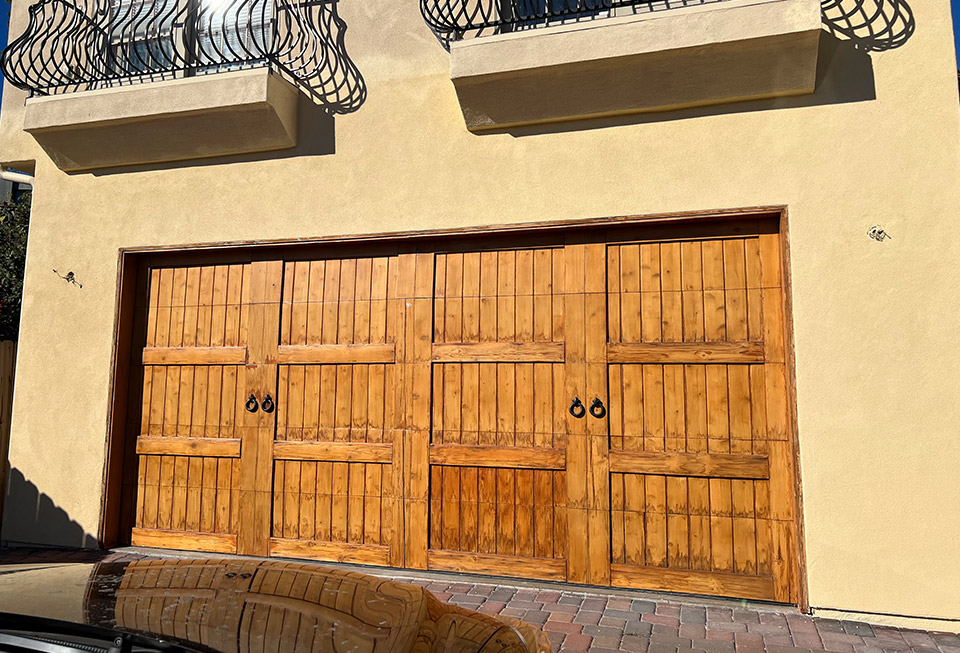
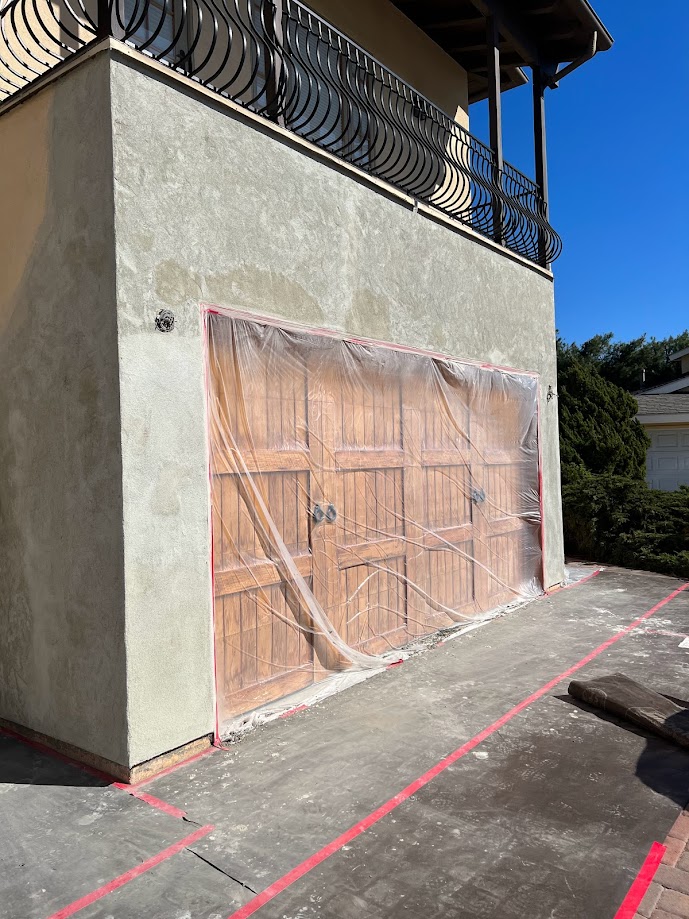
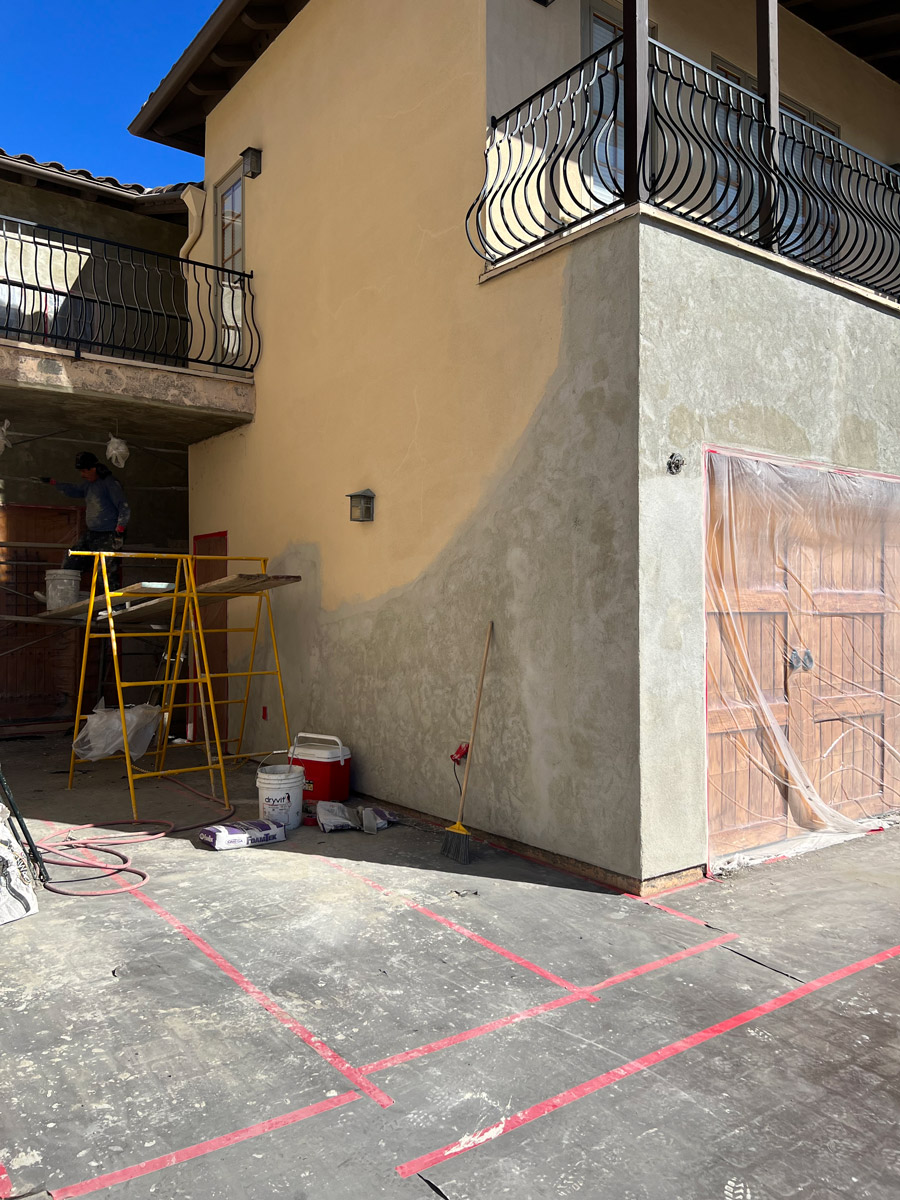
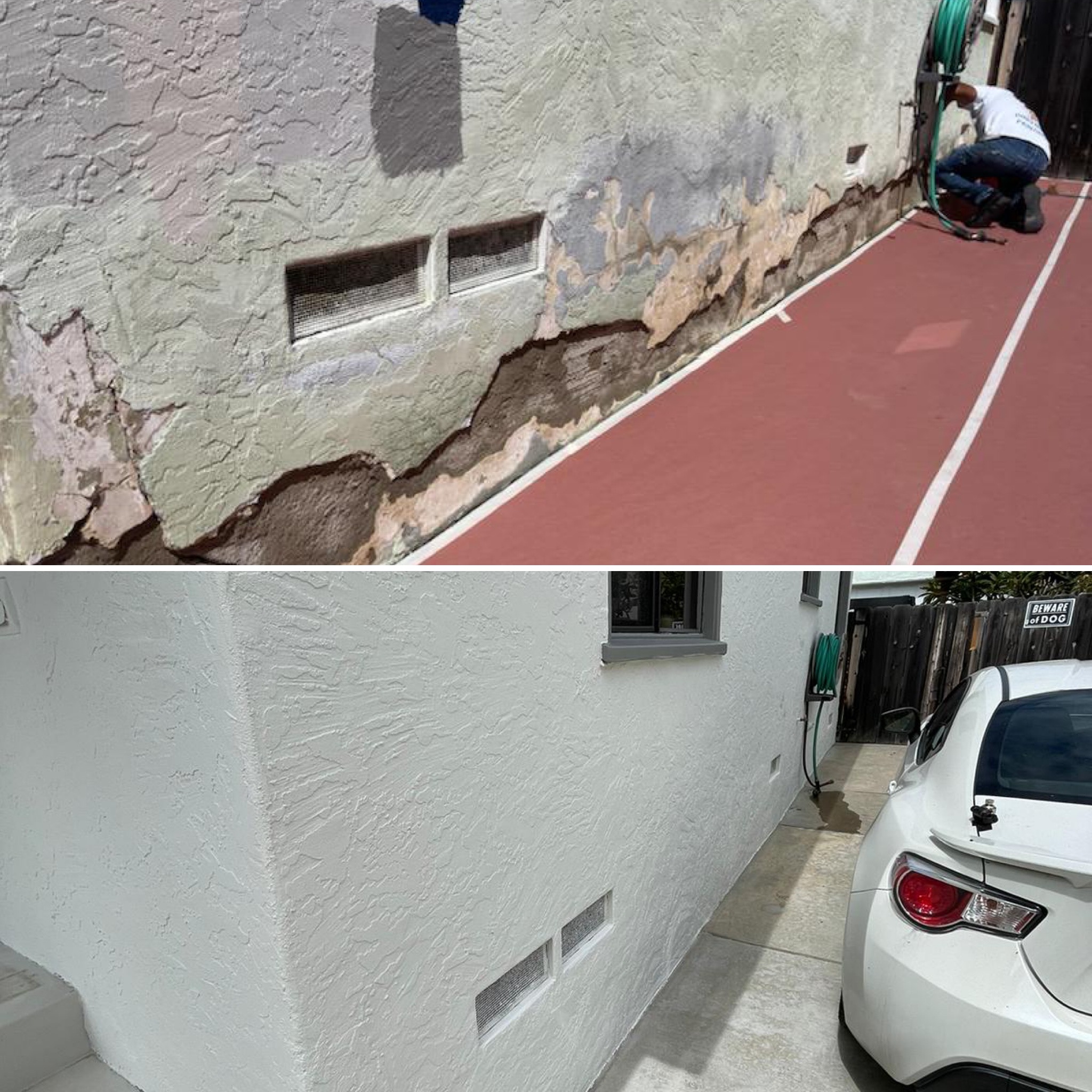
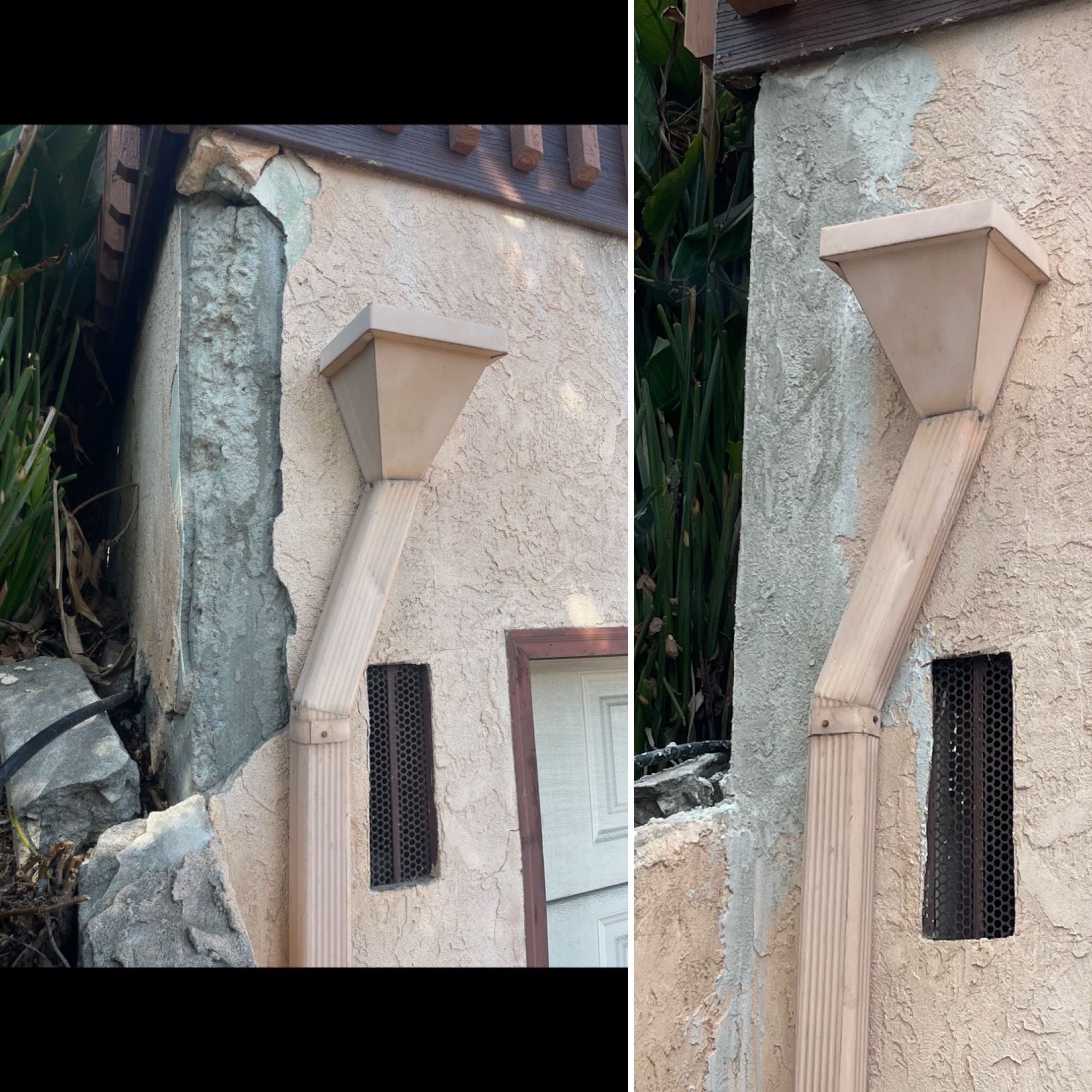
Before we paint, we usually have to stucco repair San Diego homes. The first step is to remove the deteriorating stucco, which is typically caused by water damage. The next step is to add just the right amount of water to the dry stucco mix to form the right consistency. Once we have our stucco solution, we apply the stucco with a trowel and special stucco sponge, carefully matching the existing texture so you can’t tell a repair was ever done. The next step is to let it dry. Then we spot prime our stucco repairs. After that, we apply Drylok waterproofer to help prevent the water damage from occurring again. Lastly, we apply our 2 coats of paint, which is also a water deterrent.
Stucco Repair Companies Near Me
There are many reasons stucco damage occurs. Often, you will see stucco damage at the bottom of homes. This is typically caused by water damage. If the stucco is going straight into soil, this can be a problem, because soil retains moisture, which the stucco tends to wick up, allowing water to get behind the stucco and slowly deteriorate it. Also, many people have plants and bushes up against their house. This foliage also retains moisture, and has the same effect on the stucco. Lastly, many people have sprinklers near their home that are constantly hitting the stucco. If your stucco is bare, the damage happens exponentially faster, as there is no water deterrent (i.e. paint) to slow the deterioration process. Many people think that their stucco has been painted before since their stucco is a vibrant color. However, more often that not, what they are seeing is just the stucco pigment in powder form that is mixed in with the stucco before application. Their stucco has never been painted, so it’s actually bare and quite porous, leaving it vulnerable to water damage and staining. To find out if your stucco has been painted before, or to get a quote for stucco repair or exterior painting, call 619-356-0830 or request a quote at jbrownpainting.com!
Two things we do not do
If the bottom two feet of your stucco is bubbling, cracking, or missing chunks, that is not a paint problem. It is a water problem, and painting over it will not stop it. J Brown Painting does the repair itself, in-house, including the full three-coat structural rebuild, and then primes and paints the wall so the fix disappears into it.
That combination is often why homeowners choose us over a painting company that only paints. Stucco work and painting are not two jobs, they are one — repair a wall and stop there and the house ends up polka-dotted with grey patches. Justin Brown, our founder and lead estimator, has been writing stucco estimates in San Diego for 16 years.
- We do not re-stucco entire houses. In most homes we look at, the damage is concentrated in that bottom band, and repairing it properly costs a fraction of re-stuccoing a house that is otherwise sound.
- We do not fix failing retaining walls. Bubbling stucco on a retaining wall is almost always moisture pushing from the back side — a different trade. We can patch, prime and paint the face so it looks considerably better, and we will tell you on the estimate what that does and does not solve.
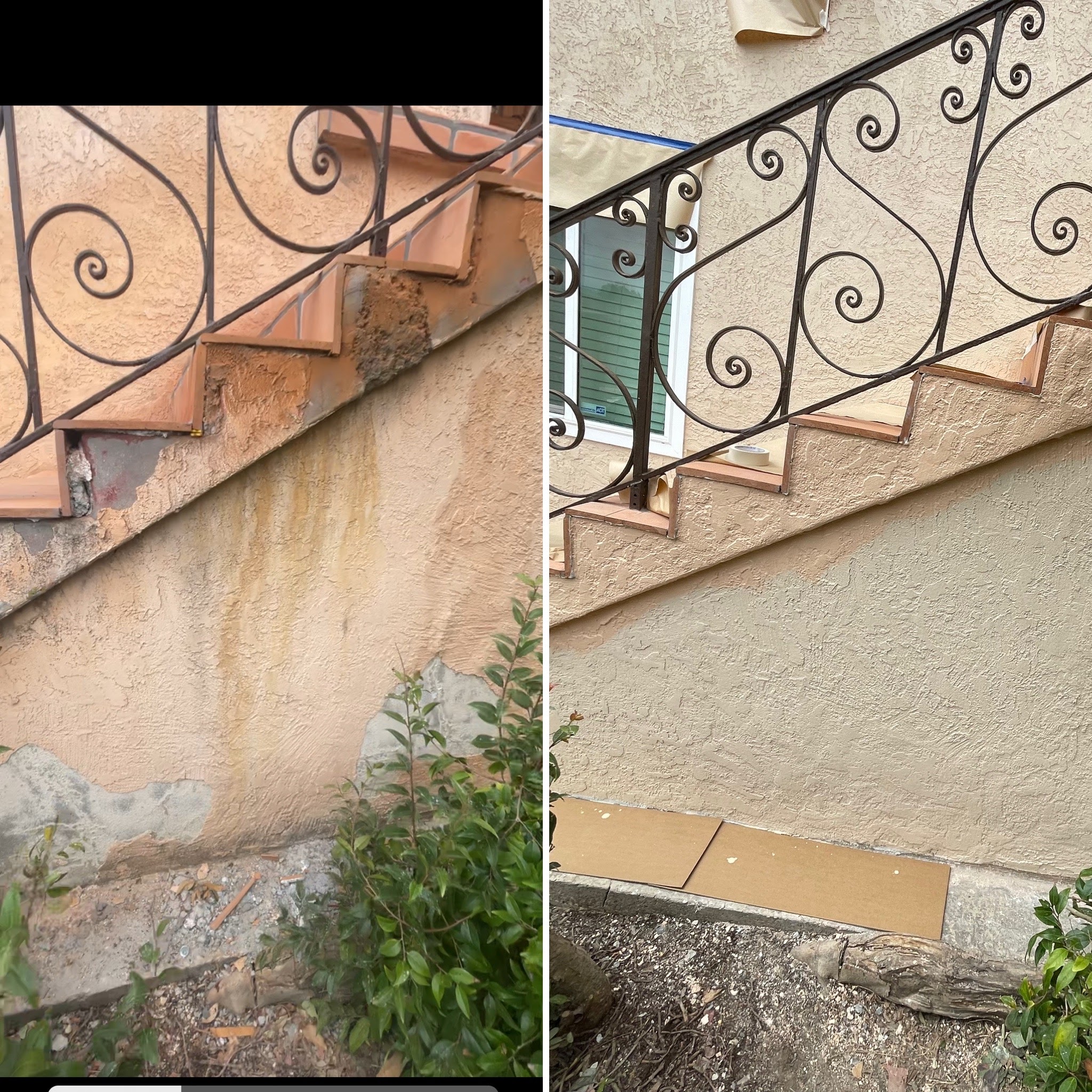
The paint that finishes a repair
A repair is not finished when the stucco cures. For the finish we use Dunn-Edwards Evershield and Sherwin-Williams Duration. Evershield is formulated for hot, sunny climates like ours: breathable, durable under hard UV, and resistant to fading. It is thinner than Duration, which is an advantage on stucco. Duration is thicker, so it hides imperfections well and resists moisture, at the cost of a little breathability — we lean on it more for wood homes.
Once the repairs are done, the rest of the house is a straightforward exterior painting job, and doing both at once is what keeps the house looking like one house instead of a repair map. For background, see 11 common myths about stucco repair and the telltale signs you need stucco repair.
How to read a stucco bid
- Is my damage a patch or a repair? A contractor who cannot tell you which one you need, and why, is guessing.
- Is bare stucco getting masonry primer? Never-painted stucco needs a full coat of it, not spot priming.
- Does two coats mean two separate finish coats? Spraying up-and-down then left-and-right is cross-hatching — one coat applied properly, not two.
- What is the moisture source, and what fixes it? If the honest answer is a drainage problem, repair and paint are buying time rather than solving it.
Get a real answer about your wall
Before you call anyone, walk the base of your walls and look for three things: bubbling or missing stucco in the bottom two feet, white powdery deposits, and whether a weep screed is there at all. Tell us what you found. We will tell you whether it is a patch or a repair, what is causing it, and what it takes to fix — with a firm number before any work starts.
Call or text J Brown Painting for a free stucco repair estimate in San Diego.
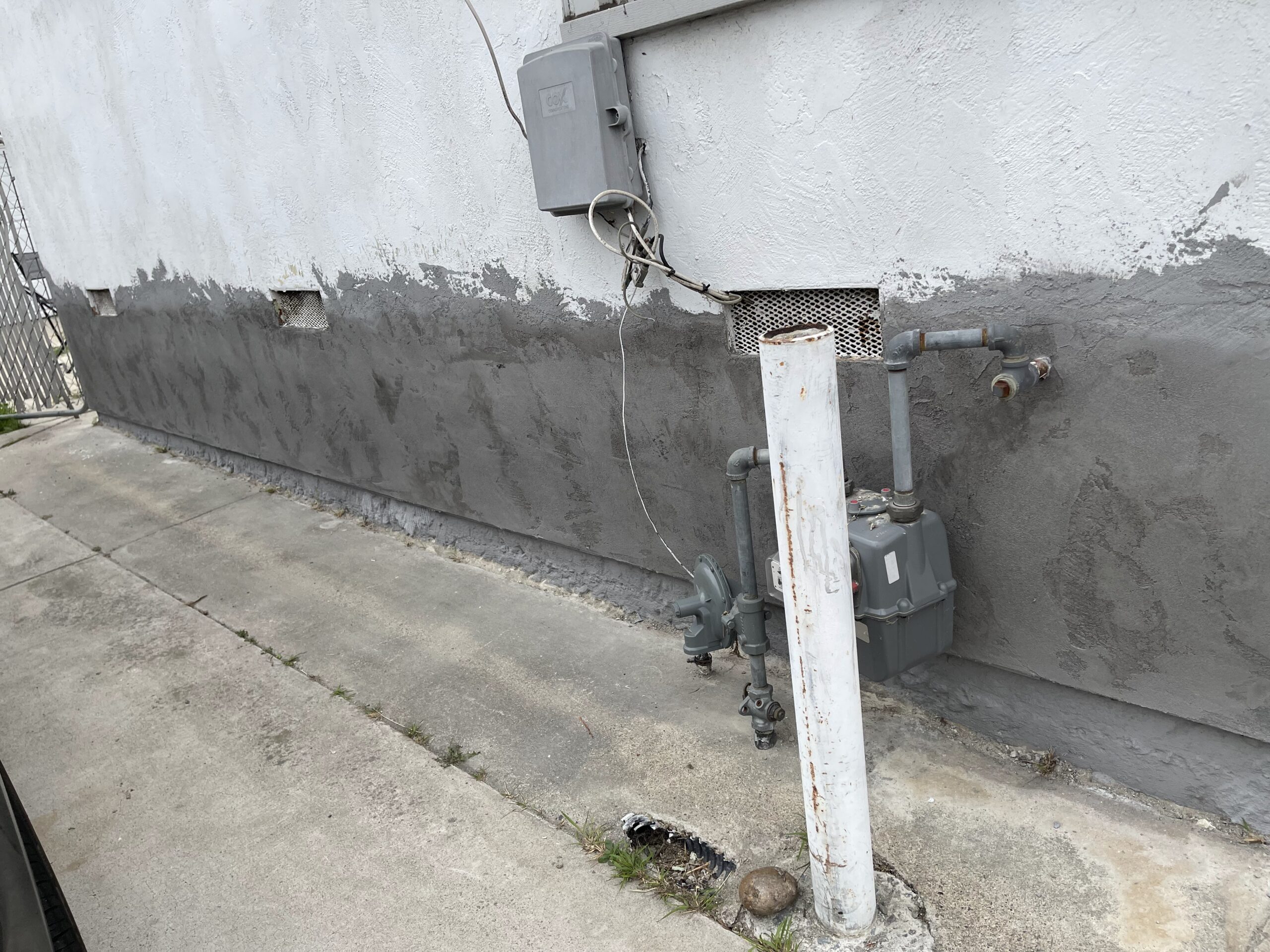
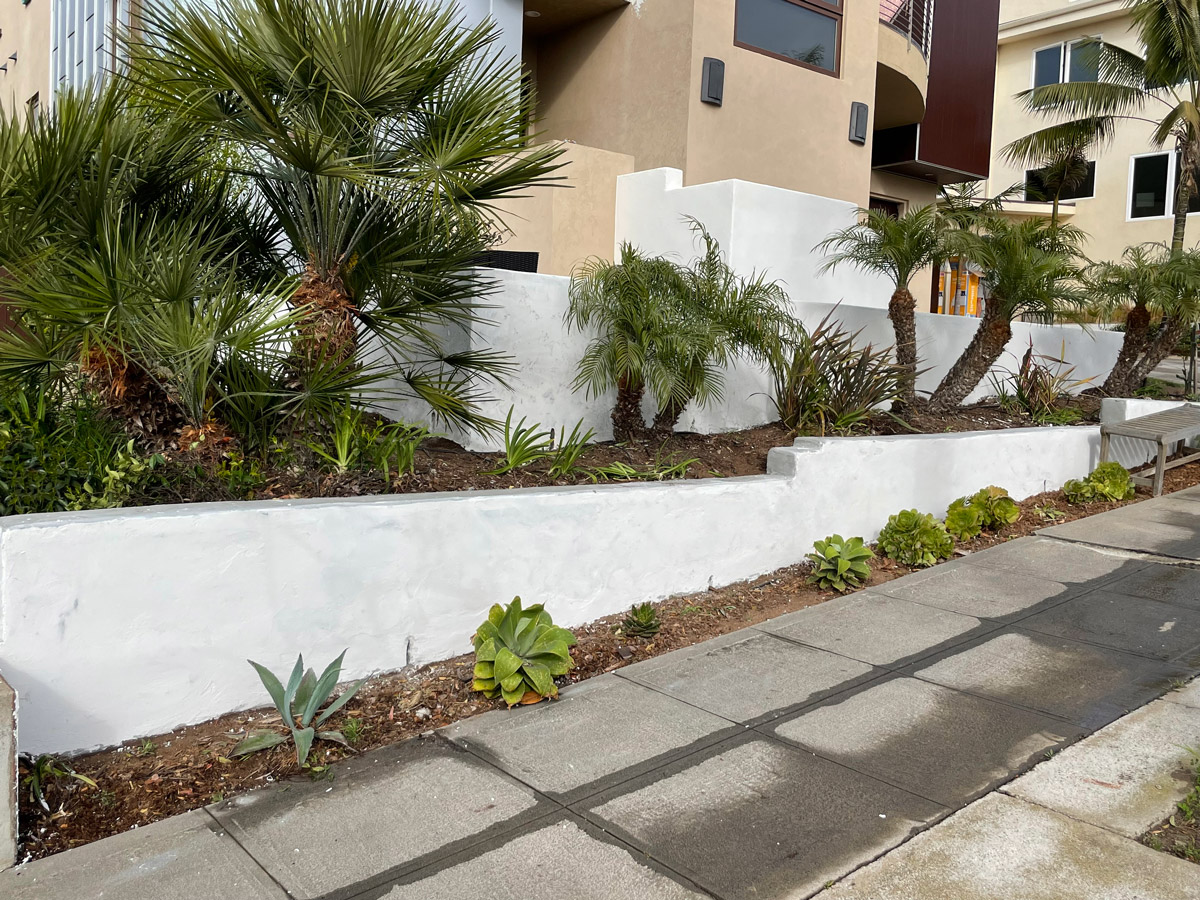
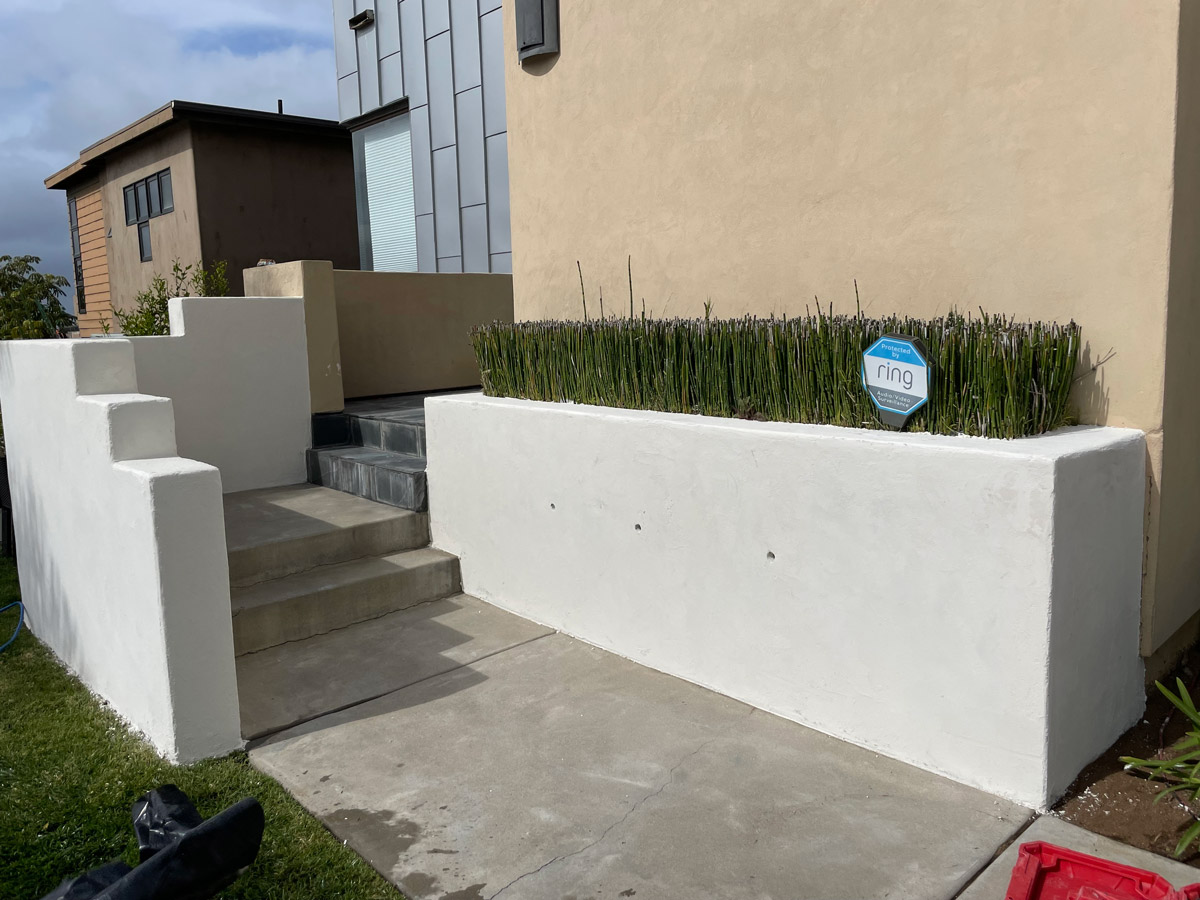
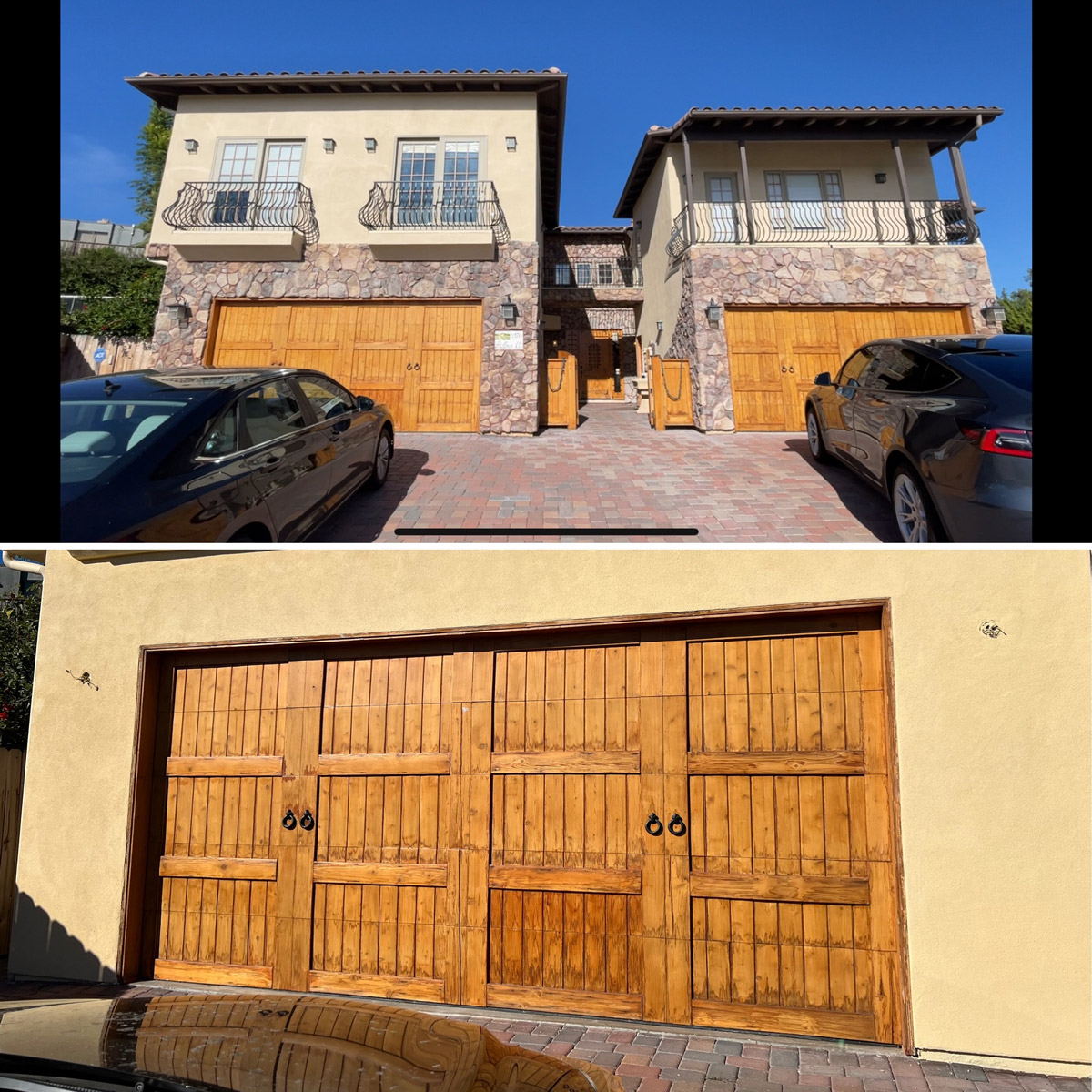
San Diego Stucco Repair Gallery
Frequently Asked Questions
Stucco is not waterproof. Priming and painting makes it water resistant, but moisture still gets behind it, and the weep screed is the drain that lets that water out. Without one, water gets trapped against the wood framing behind the stucco, which is where rot and mold start.
To check, get down and look up at the bottom edge of your stucco. You should see a horizontal metal strip with drainage openings in it. If you do not see one, or it is rusted through and missing sections, that is worth addressing. Heavy deterioration in the first two feet of wall is often the giveaway that there is no weep screed at all.
Weep holes in a retaining wall are structural. A retaining wall holds back soil, that soil gets wet from rain and sprinklers, and without drainage the water builds up and creates hydrostatic pressure. That pressure is what makes a retaining wall lean, crack or eventually fall over. Weep holes are individual openings through the face of the wall, and they are easy to see.
A weep screed is not structural. It drains incidental moisture that gets behind the stucco and runs down the waterproofing paper. It protects the framing from rot rather than protecting a wall from collapsing, and it runs continuously along the bottom edge rather than being separate holes.
Water gets into the masonry, dissolves the salts that occur naturally in it, carries them to the surface, and evaporates. The salts stay behind as white powder. It is the same thing that happens when seawater dries on a surface.
Common causes are sprinklers hitting the wall, rain soaking it, missing drainage, a leaking pipe, or stucco running straight into the soil without the four-inch gap it should have. The fix has to start with the water source. Clean the deposit off, let the wall dry, patch or repair the damaged stucco, prime with masonry primer and paint. If the moisture source is still there, the efflorescence comes back.
Here is the honest answer about what we can do. Fixing the cause means a retaining wall contractor removing the failing stucco, checking the wall for structural problems, installing drainage, and rebuilding the stucco system. Installing a drain pipe behind the wall means excavating the soil, which is a very large job.
What most homeowners have us do instead is remove the failing stucco, patch it with new stucco, prime and paint, with the clear understanding that this is a temporary fix. It might last one year, it might last three. We do not warranty this work, because we are not fixing the underlying drainage problem. Repatching every few years is still far cheaper than the real repair, but you should know which one you are buying.
A repair is much more involved. We cut out and remove the damaged stucco, inspect what is behind it, replace the waterproof building paper and the metal lath, and rebuild the area with the traditional three-coat system: scratch coat, brown coat, finish coat. Each coat needs real drying time before the next one goes on.
A patch improves appearance. A repair restores the wall. There is more on where DIY stucco work tends to go wrong in our guide to keeping exterior stucco repairs out of DIY-disaster territory. Either way, the new stucco is raw, so it gets spot primed with masonry primer and then two coats of 100 percent acrylic exterior paint.
Properly means: power wash the wall and let it dry at least 48 hours, then one coat of premium masonry primer if the stucco is bare, then two coats of premium acrylic. Most San Diego stucco textures are heavy enough that the paint has to be sprayed to reach into the texture, then back rolled while still wet to work it in.
What shortens it is moisture. Point sprinklers away from the walls. Keep stucco from running directly into soil, because it wicks moisture up from the ground. Make sure the wall has a weep screed so trapped water can drain. And keep hedges and bushes off the wall, since they hold morning dew against the stucco day after day.
The trade-off is real. Any sheen above flat is more durable and more water resistant, the same reason semi-gloss goes in bathrooms. But sheen also highlights every imperfection and repair, creates glare in direct sunlight, and makes touch-ups harder. Flat hides imperfections, touches up easily and gives the classic Southern California look.
With a low-end paint the sheen matters a lot for shedding water. With a premium exterior paint you get that water resistance even in a flat finish, which is why we would rather put the money into the paint than into the sheen. If you specifically want to be able to hose the house down, something between flat and satin, like a velvet or eggshell, is a reasonable middle.
Worth knowing if you are doing it yourself: priming saves you money rather than costing it. Bare stucco drinks paint. Skip the masonry primer and you will buy enough extra paint that your total bill comes out higher than if you had primed first.
Smooth and Santa Barbara finishes we spray only, with no back rolling, because a roller would leave stipple and roller marks that ruin the smooth surface. Fine sand finishes, common on newer San Diego homes, are the same: spray only, because aggressive rolling adds texture that was never there.
Medium sand gets sprayed with a light back roll on patches and unusually porous areas. Spanish lace, skip trowel, dash, heavy knockdown and cat face all get sprayed and back rolled. Those textures have deep nooks and shadow areas that a roller cover physically cannot reach, so the sprayer gets the paint in and the back roll works it in for adhesion.